The Power of a Picture

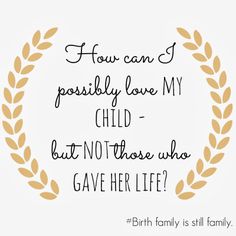
I spend a lot of time as an ESH mom thinking about love and what it takes to love others. My current baby boy has a birth family that is super involved, and it has been a joy to see them love him and get to know him. But every time we meet, it is also a heartbreaking reminder of the grief they carry from this separation and a motivation to me to go outside my comfort zone and love them just as much as I love this baby boy.

One suggestion every foster parent has heard is to take pictures and give them to your child’s birth family. So last week, I took the time to go through the gazillions of photos I had taken, print out multiple copies, and put together photo albums to bring to the visit with his family.
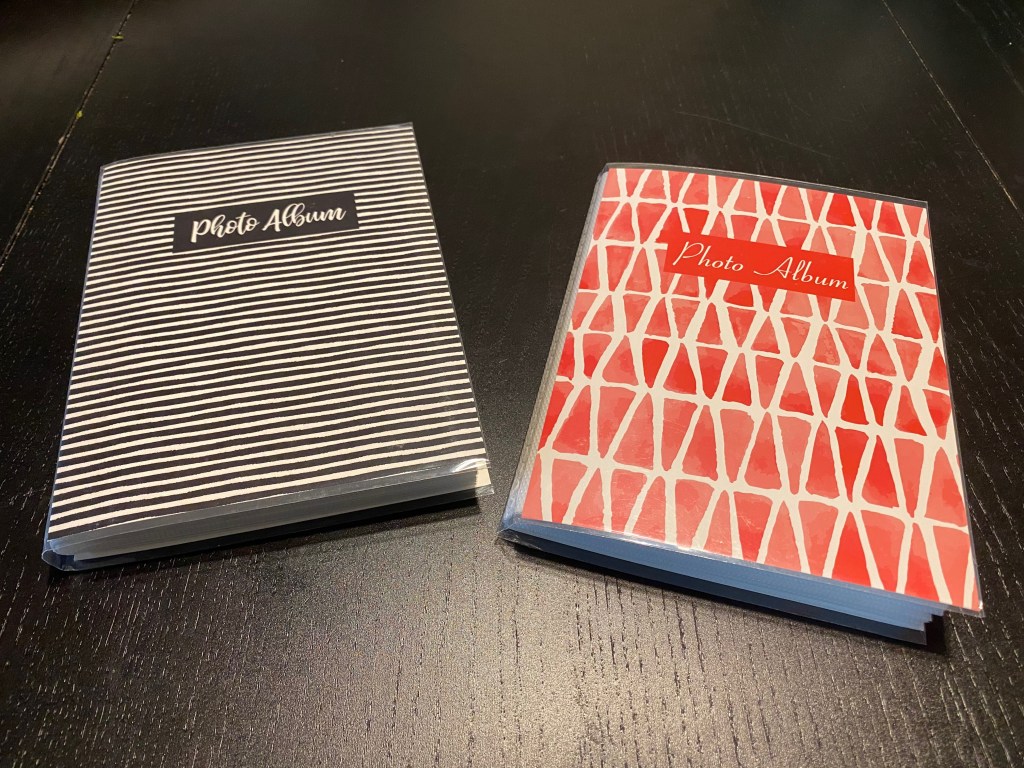
It honestly didn’t take much – maybe an hour or two of my time putting together these mini albums that I bought as a 12 pack off Amazon. It took a bit of time since I ended up making four copies of the same album, enough for each member of baby boy’s family. I took these albums and gave them to his family, hoping they would appreciate them but telling myself to not expect too much. I was blown away by their response.

His brothers were so excited, they didn’t put down their photo albums for the entire two hours we were together. His mom cried, telling me that she had never gotten a picture of his last day in the hospital or a picture of him going home since his placement into foster care was so unexpected.


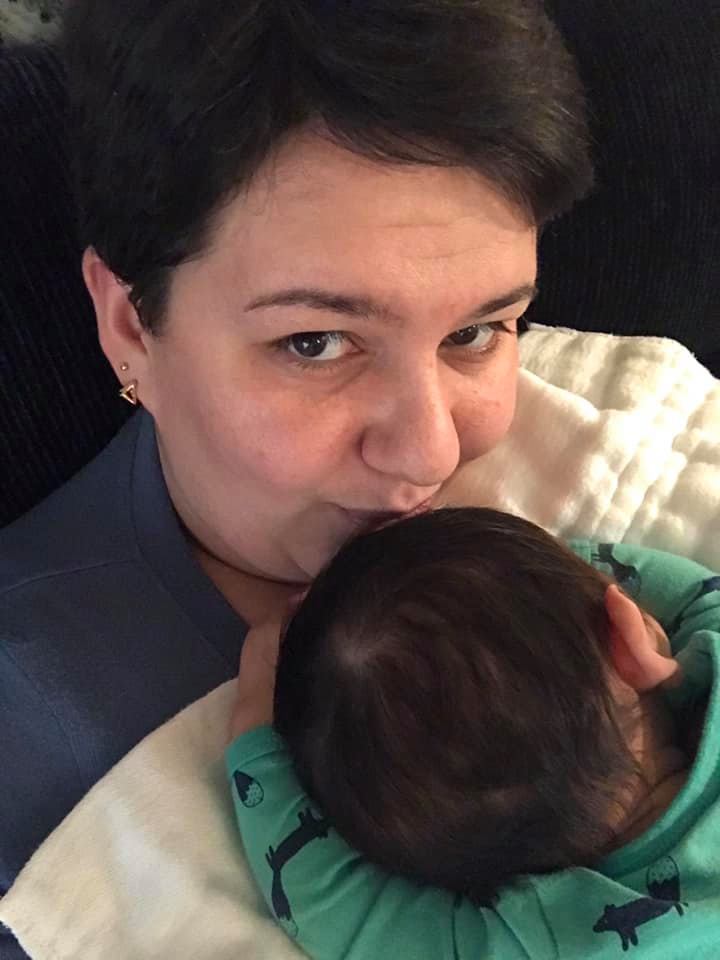
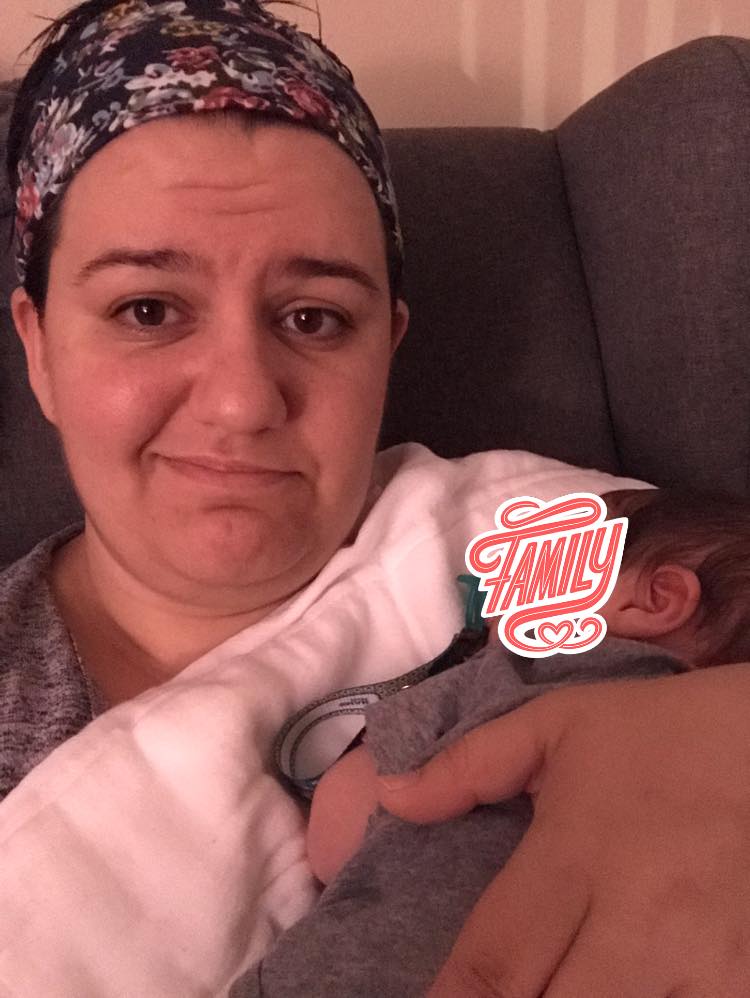
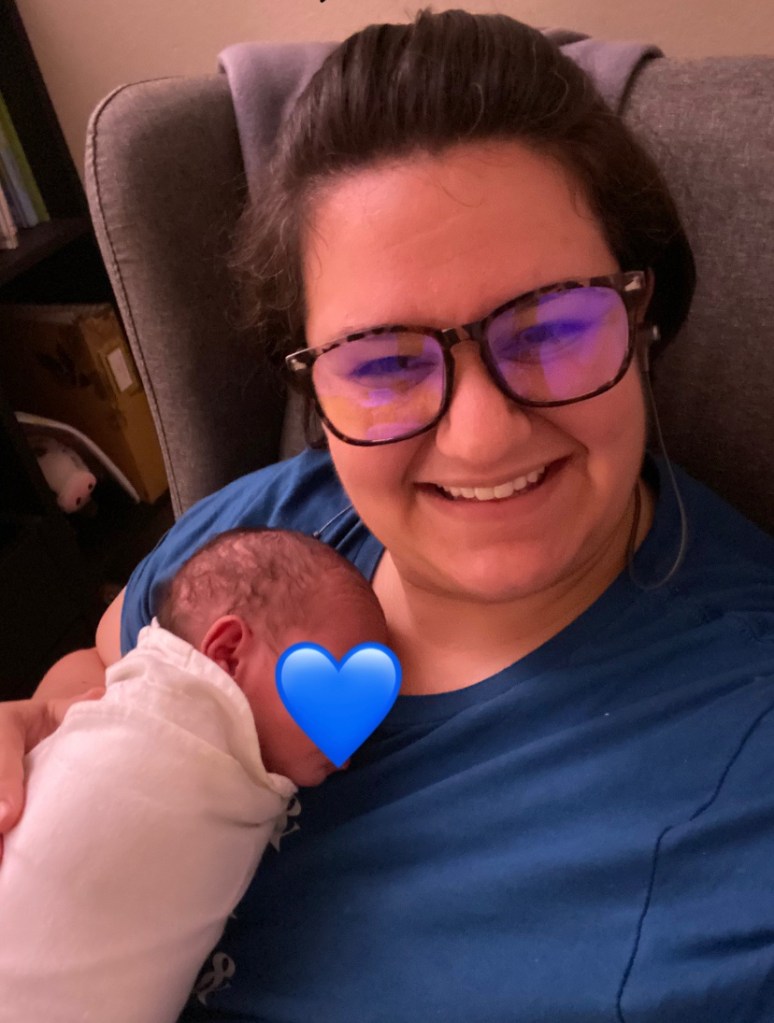
I had picture after picture of him sleeping (newborn babies tend to sleep a lot), but each picture was a new discovery and whole conversation as his siblings looked through their albums. I had included a few pictures of me holding him as well, hoping it would be a comfort to see the person their little brother was staying with, and my heart melted when they got to that first picture and shoved their albums into their mom’s facing, saying, “Look! It’s Miss Alicia with baby brother!”

It’s been a week since I made those picture albums for baby boy’s family, and his mom let me know that his brothers still look through them every night before going to bed. They went back to school part time this week and even brought their photo albums as their show and tell item of the week.
It would have been so easy for me to have thought that sending pictures to baby boy’s mom was enough, that texting her pictures of him when he wakes up in the morning and before he goes to bed at night fulfilled my duty as an ESH parent. But if I had done that, if I had listened to that inner critic who said printing four albums was a ridiculous waste of time because they wouldn’t be appreciated anyway, I would have missed out on so much.

I would have missed the chance to let a mama know her son was safe and loved, and that even though she couldn’t hold him every night, she would still have pictures of those important milestone moments. I would have missed the chance to reassure two little boys who love their brother that he is still their brother and a part of their life, even if they don’t live together right now. I would have missed the chance to be reminded that the happiness I experience caring for this baby and documenting his life through pictures is a happiness that his family wants to have too, even if (and perhaps especially if) they don’t have the chance to take these pictures themselves.

These photo albums, filled with pictures of a baby boy I am blessed to love and cuddle close right now, are so much more than just pictures. To his mom, they are a offer of grace and hope in the midst her grief. To his siblings, they are chance to get to know their brother and a way to keep him close. To me, they are a powerful reminder that it does not always take much to show great love. Something a small as a picture has the power to say so many things.
Battling Burnout

The biggest numbers challenge of foster care isn’t finding new families who are willing to foster or adopt – it is keeping the families who have said yes. Fostering is hard, so hard, but hard things are the things that matter. So how can foster parents keep themselves from burnout?

While I in no way consider myself an expert on this topic (anyone who knows me know that I tend to take on too much and run myself ragged), I’ve used five different strategies to help myself battle burnout as an ESH mom.

  1. Recognizing that I am not in charge. If I think of myself as the person in charge of my babies’ stories, then I would quickly go insane and fostering would be way too hard. While I can be in charge of what I do in my own house and how I love my babies, I do not have control over what birth families do, what social workers do, what judges decide, and ultimately what will happen to my babies. As a Christian, this looks like acknowledging God’s control of every situation in my life, including the lives of these babies. I get to play a part in their lives, but it is not my responsibility (nor is it in within my ability) to “save” all the babies in the world.
  2. Loving deeply even as I hold loosely. Part of not having control as an ESH mom includes not knowing how long I will have with each baby. I have to be okay with that and not let it keep me from getting attached to every baby. I have to make a conscious choice (sometimes every hour) to love the baby I am holding in my arms as hard as I can, no matter how long they may be in my life. If I love my babies deeply and hold them tightly in my heart, I would be burnt out after my first few placements. But if I hold them so loosely that I don’t love them with all my heart, then I am not a good ESH mom and cannot give them what they need. The trick is finding the balance in doing both, loving deeply and holding loosely.
  3. Staying in the present, rather than worrying about the future. This ties in with the first two strategies, but it still needs to be said. My therapist once told me that depression is getting stuck in the past, while anxiety is getting stuck in future. The key is to stay in the present. Since I don’t have control of where my babies will end up or even how long they will stay with me, I have to keep myself in the present moment I have with them. Getting caught up in the “what if’s” of the future or the “if only’s” of the past not only keeps me from connecting with the baby I am holding in my arms in the present, but it is also a quick way to burn out as a parent.
  4. Making sure to notice and appreciate the joy. This was a theme in my last post on how we need to overcome our tendency as humans to focus on the negative. But to battle burnout, I have to take the time to see, celebrate, and remember the good times. The first time I get to cradle a baby in my arms, the quiet times at night when I’m rocking a sleeping baby, the excitement of a birth parent getting to go home with their baby again, the happiness I get to witness at visits as family members meet and love their newest member, the smiles and laughs and giggles of each baby, and even the new milestones I get to witness with a baby – all of these joys are moments I can reflect on in my mind and hold close in my heart for the days when things seem so hard and the long nights make everything seem impossible. For me, keeping a journal and a written list of miracles I have witnessed as an ESH mom have been the most effective way for me to mark these joys.
  5. Doing this in community. I have said before how important having a tribe is. Knowing who your people are, surrounding yourself with that community, and both giving and receiving support is absolutely necessary if you’re going to keep doing what you’re doing (foster parent or not). Humans are relational beings, created to be in community, so it should come as no surprise that we burn out if we try to go it alone. Not only does a community help when you can’t do everything yourself (my friends who drop off meals when I get a new placement are the best), but community also exists to help me practice all the other strategies I’ve listed above. As an ESH mom, my community are my encouragers, support givers, wisdom providers, laughter sharers, advice dispensers, relationship providers, and so much more. I could not last as an ESH mom without my community.

These five strategies for battling burnout are what have helped me as an ESH mom, but I also know that they don’t just apply to the life of a single foster mom. No matter what life you are living or what hard but important things you are doing, you are going to have to resist the pitfall of burnout. These strategies may be a good place for you to start, but there are so many more ways people can stay rejuvenated and motivated while avoiding burnout. Whatever works for you, find it and stick with it. The work you’re called to do is too important to allow burnout to call it quits for you.

Birth Parents: Friend or Foe?

One of the most common misconceptions I hear as a foster parent isn’t about foster parenting at all – it’s about birth parents. From the conversations I’ve had, it seems like people think that all birth parents are awful human beings, selfish people who care more about themselves than their babies, and people who should never be allowed near a child again, let alone get their own child back.

These opinions, judgments, and criticisms – they just aren’t true. Birth parents are not the enemy in foster care, despite what everyone would like to think.

Let me say that again, in case you missed it. Birth parents are not the enemy in foster care!

The enemy in foster care is trauma. And yes, the babies in my care experience trauma by the time they enter my home, but they are usually not the first person in their life who has experienced trauma.

Trauma is often a cycle – these birth parents have experienced trauma in their life growing up, and if they do not get the tools or community to help them get out of their traumatic situation and heal after they leave, then the cycle of trauma continues and they won’t know how to do anything other than what they experienced themselves.

The thing about trauma is that it takes away our choices. From the outside, it can be easy to say, “Well, if they just didn’t do drugs or just were able to handle their anger or just had a safe place to live, then their kids wouldn’t be in foster care.” But the lived reality of the birth parents I have met is that when they are trying to cope with the pressures they’re facing, it doesn’t seem possible (or sometimes it isn’t possible) to make the same choices that others would make if they weren’t living in a constant trauma response. (Seriously, trauma physically rewires our brain and bodies – check out anything by Karyn Purvis, David Cross, or Nadine Burke Harris on trauma if you want to learn more.)

Are there bad people in the world who intentionally set out to harm others? Yes, absolutely. It is not my goal to minimize or ignore that very real horror. However, those people are far from the majority.

So I when I meet birth parents, I make a conscious effort to see them as people who are doing the best they can with the tools they know how to use. Ideally, that is the purpose of foster care – to place children in a safe temporary home and allow birth parents time to heal their own wounds, learn new coping mechanisms, and gain effective parenting strategies. The goal is to break the cycle of trauma – which is only possible in the context of community.

If at this point you’re reading and beating yourself up for thinking poorly of birth parents, give yourself some grace for past thoughts. It is natural to make birth parents worse in our heads than they are in reality because it is hard to justify taking away someone’s own child. So rather than looking at any sort of deeper issue (i.e. the trauma birth parents may have gone through themselves), we assign blame and moral judgment to the birth parents, making them “less than” foster parents or “less than” parents who haven’t had their children placed in foster care. Because once we can put someone in a “less than” category, it is easier to justify doing something to them that we would never want to happen to ourselves.

As humans, we also tend to focus on the potential bad rather than potential good. This is so common, it even has a name – negative or negativity bias. Not only do we recognize when bad things happen more often, but we tend to think about them more as well. So it should come as no surprise that it can be so easy to think negatively about birth parents.

The answer to this phenomenon isn’t to shrug it off and give up on ever changing things, but to recognize what is going on, educate yourself, and then practice new patterns of thought. So make the commitment today – even if you are not a foster or adoptive parent – to start thinking well of birth parents, rather than poorly. Make the commitment to try to empathize with them, rather than judge.

As an ESH mom, there is nothing I love more than being with people who see birth parents as friends rather than enemies. Every time it happens, I think, “These are my people. These are the ones I want to spend more time with and who are safe for my babies to spend time with.” So challenge yourself to go against status quo and start assuming positive intention, rather than negative. Be willing to put yourselves in the shoes of birth parents and realize they are human, just like you and me.

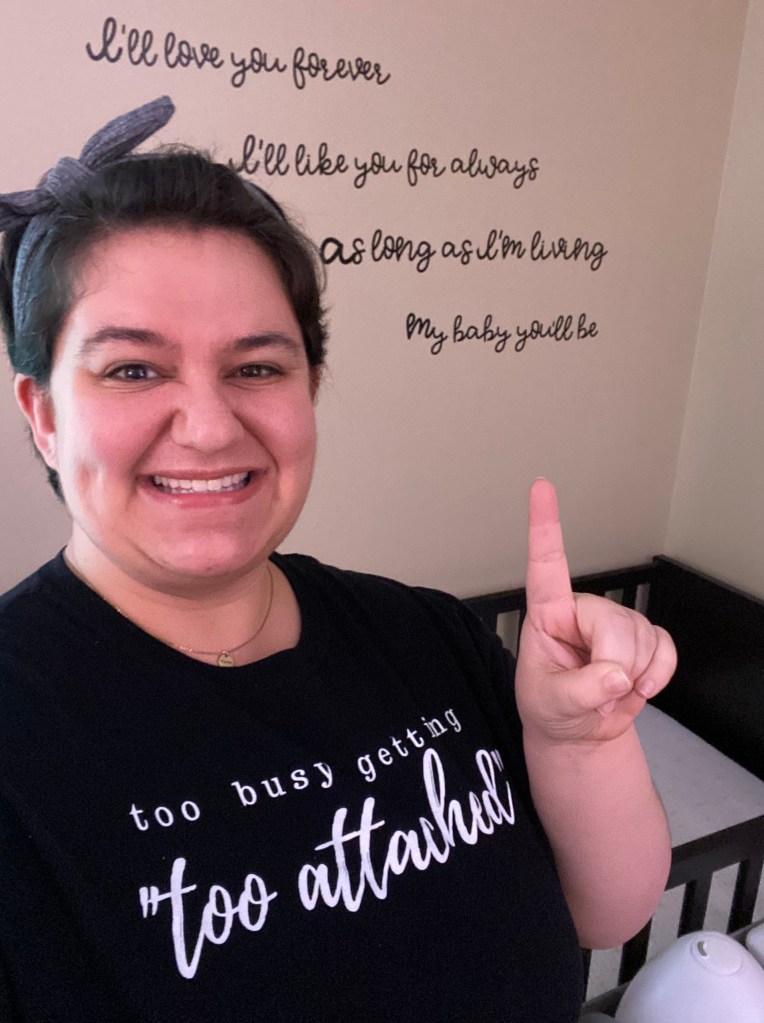
Getting “Too Attached”

When I first started letting people know I was going to be a foster parent, the announcement was almost alway met with the same question. “Aren’t you afraid of getting too attached?”

Too attached… what does that mean, exactly? I don’t think it means what we think it does. The fear of getting “too attached” is not about the fear of loving someone too much, but fearing the loss we might experience down the road. My answer to that is that foster care isn’t about me or my heart – it’s about the kids.

Foster care is not about creating a family for myself, but about providing a family and home for a kid who needs it. Foster care is not about setting up a home that protects my own heart, but about being vulnerable enough to help teach a kid that it is okay for their heart to love and be loved. Foster care isn’t even about being a good person and showing off to others, but about knowing there is a need – a desperate need – for someone to experience safety and love and deciding that I can’t look away from or ignore that need in an effort to protect myself.

When I hear that question, “Aren’t you afraid of getting too attached?,” it makes me want to ask questions of my own. How does living in fear help show kids love? How does living in fear allow a person to ever connect with another human being or experience being loved themselves? How does living in fear help you live your best life or a life open to the joy available to us every day? The short answer: it doesn’t.

If you think you can’t foster because you would get too attached, then I have news for you – that would make you a great foster parent. Kids need people in their life who are willing to love them with their whole beings without strings attached, without the conditions of permanency or good behavior or that love being returned. Kids need to know there is someone in their corner fighting for them, willing to go to the mat for them and help them face the challenges in the world. Kids need to know that they are worthy of love exactly as they are, and that is what happens when we get “too attached” – we show them love.

Sometimes, I feel like Nehemiah rebuilding the wall around Jerusalem, refusing to come down or pause the work he is doing for a second because it is just that important. To me, that is my life as an ESH mom. This work is just too important to allow myself the luxury of staying unattached. These babies are too important to ignore even if it means I don’t get to keep my heart safely wrapped up. These kids are too important to allow them to stay in a group home or a social services office instead of offering them a place to lay their head down in my home own.

So I will continue doing this work and getting “too attached.” I will choose again and again to love these babies placed in my home and in my arms, no matter the grief I will have to face in the future when they leave. Because the hearts of these babies desperately need someone who is willing to get attached to them right now.

And while it may be easy to talk about the cost of getting too attached, there are so many more joys. Getting too attached means I get the chance to laugh and watch a baby’s face light up with their first smile. Getting too attached means I get to celebrate milestones and birthdays and achievements of my babies, even after they leave my care and grow up in another home. Getting too attached means I get come home at the end of the day and feel my weary and burdened heart find joy in the warm snuggles and complete trust of a baby who falls asleep in my arms. Getting too attached means I get the see the miracle of a human being learning they are loved, someone is there to meet their needs, and they are not alone.

Foster care isn’t about me, it’s about these babies, each and every time. But that doesn’t mean I lose myself in this process or sacrifice my heart in an effort to give my kids the world. Getting too attached doesn’t mean only suffering and trials and tears; it means getting to experience all the good in someone else’s life as well. I can only hope that there are people in your life that you can get too attached to, just like me. I can only that you will choose love over fear when you are faced with the question: Will you get too attached?

It Takes A Village

Everyone says, “It takes a village to raise kids.” I’ll let you in on a secret – it takes a village to foster!

I hear all the time how surprised people are when they find out I foster, especially as a single mom. It’s always, “I don’t know how you do it. I never could. How do you even find time with all that you do?” Wash, rinse, repeat. The short answer is that I don’t do it alone – I couldn’t be the foster parent I am if it wasn’t for the tribe I have surrounding me, offering support and love in so many different ways.

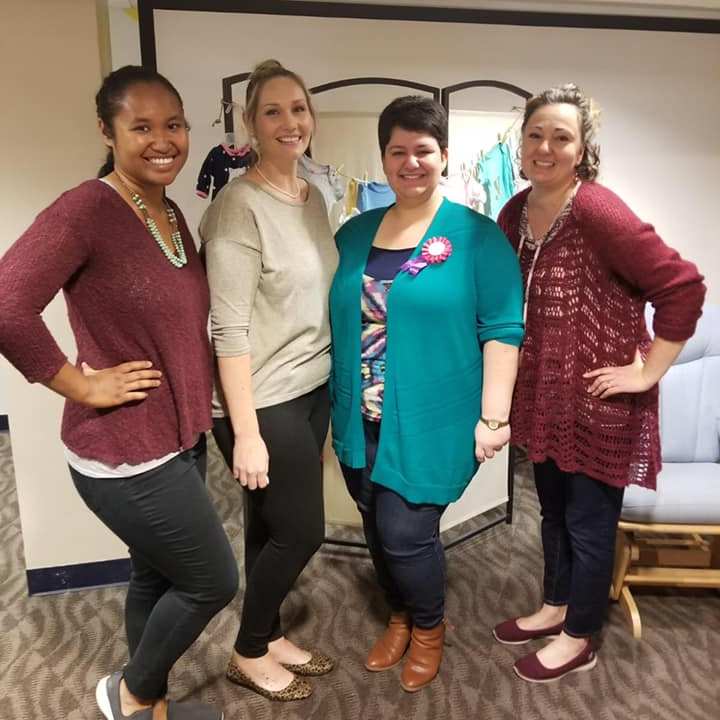
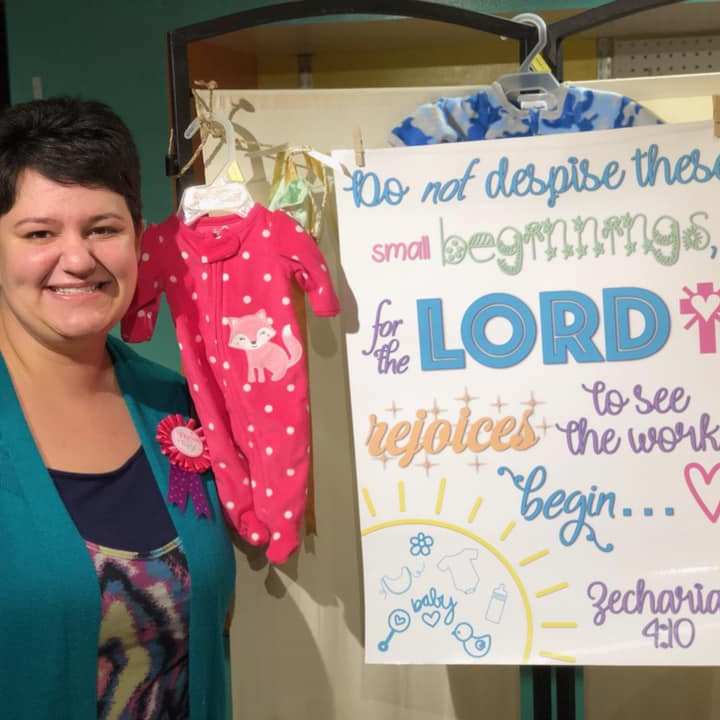
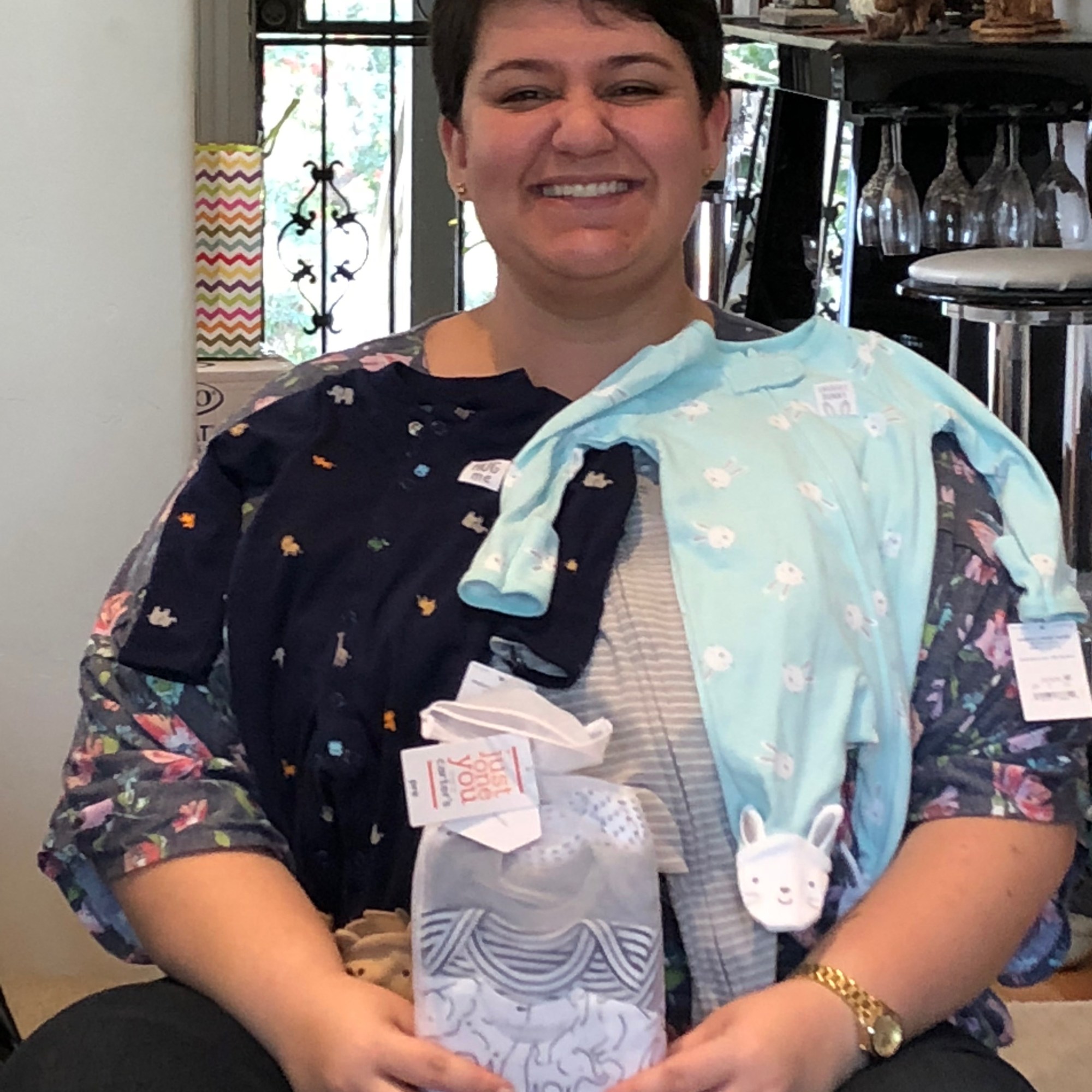
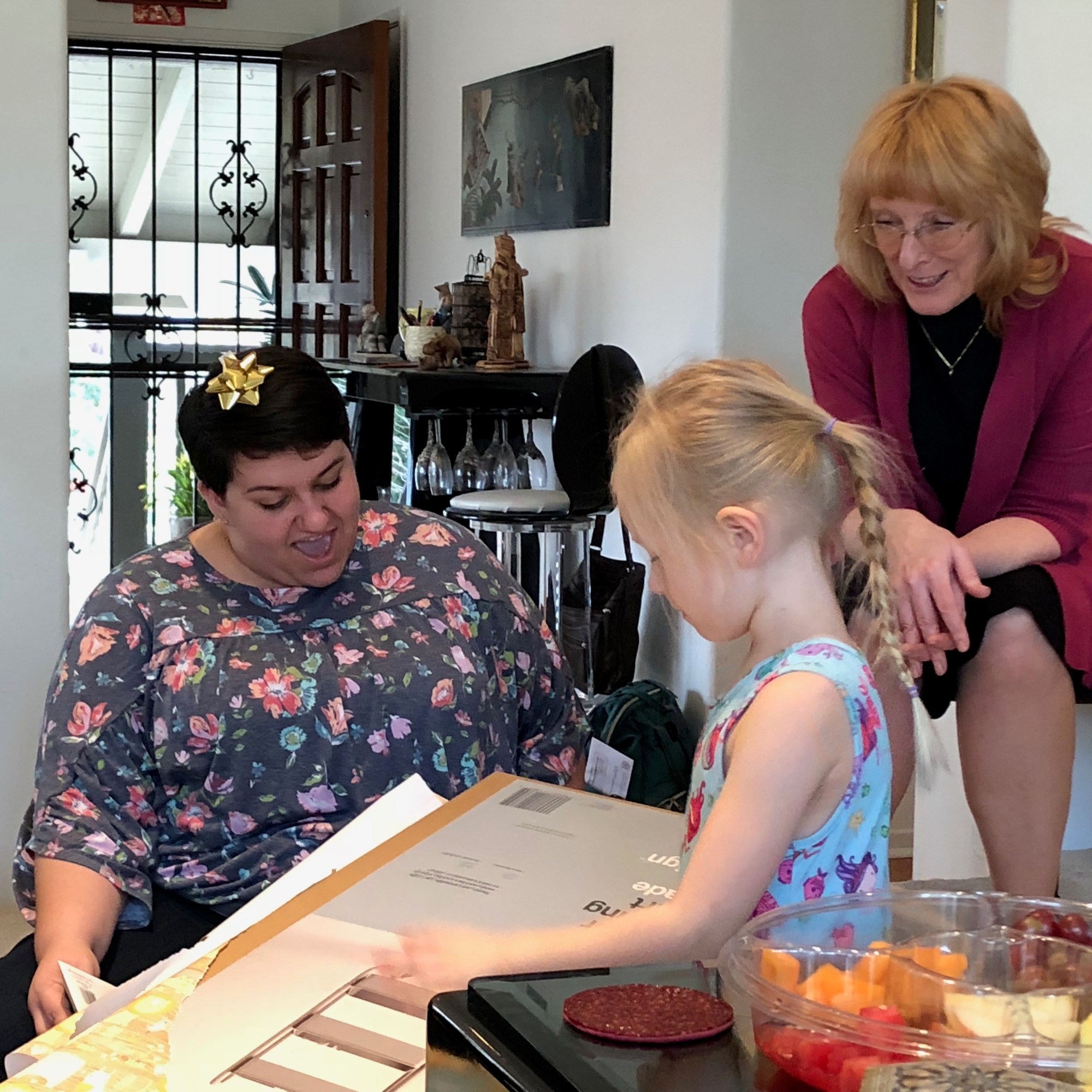
Before I was even licensed as a foster parent, I had people helping. I was blessed to have not just one, but TWO baby showers. My grandparents threw a shower with family and close friends when I first turned in my application to foster. Then, in a true outpouring of love, another group of friends gifted me with a second baby shower and invited almost the entire church. (I had enough diapers from that second shower to last me through my first year as a mom!)

I have a family who is so supportive, even if they don’t always understand what it is that I do or why I do it. My parents have welcomed every single baby as their own grandbaby, my grandparents are over the moon that I’ve made them great-grandparents, and when I’m invited to family gatherings, it is always with the expectation that I may bring a baby with me. My parents are even my go-to babysitters – my dad has watched my babies more than anyone else, that’s for sure.

Friends have come over to drop off meals, pray over each baby, clean my kitchen, and even fold my laundry. I have friends who live so far away we don’t get to see each other in person, but they still manage to be a part of my tribe and send me clothes, memorabilia for each baby, and cards with encouraging words. One of the biggest examples of friends who are a part of my tribe are the two friends who chose to live as my housemates knowing I was going to foster. They both want to be foster or adoptive moms themselves one day, but for now, they are happy to be a part of my own foster story by living together (which means less grocery shopping, meal prepping, and house cleaning for me!).

And my tribe extends beyond just family and friends. I wouldn’t be able to do what I do as an ESH mom if it wasn’t for my work colleagues. It takes a special kind of supervisor to let you leave work with almost no notice when you get a call to pick up a baby in the middle of the day; it takes an even more special supervisor to be just as excited as I am for a new placement. My co-workers love getting updates about my babies, and on the days I work a little slower because I’ve been up all night with a crying baby or leaving my baby with a caregiver isn’t an option, they offer me grace and understanding.

I attend a support group for foster and adoptive parents through a local non-profit. Every other week, I get the joy of being surrounded by others who just “get it” and who can offer a listening ear and words of advice, even as I get to be the same support for them. I’m connected to other foster and adoptive moms in my state through a Facebook group, and it is nothing short of miraculous to see how these women show up with legal advice, medical referrals and recommendations, clothes and bedding and toys and school supplies, and reminders that we are not alone – all for moms they have never met in person.

There are so many people who are a part of my tribe, who enable me to move forward in my desire to be an ESH mom. Without them, my life wouldn’t look the same. So if you are thinking of becoming a foster parent, ask yourself who might be in your tribe? And if the answer is smaller than you want it to be, start reaching out and make it bigger! I have found that people want to help, they just don’t always know how.

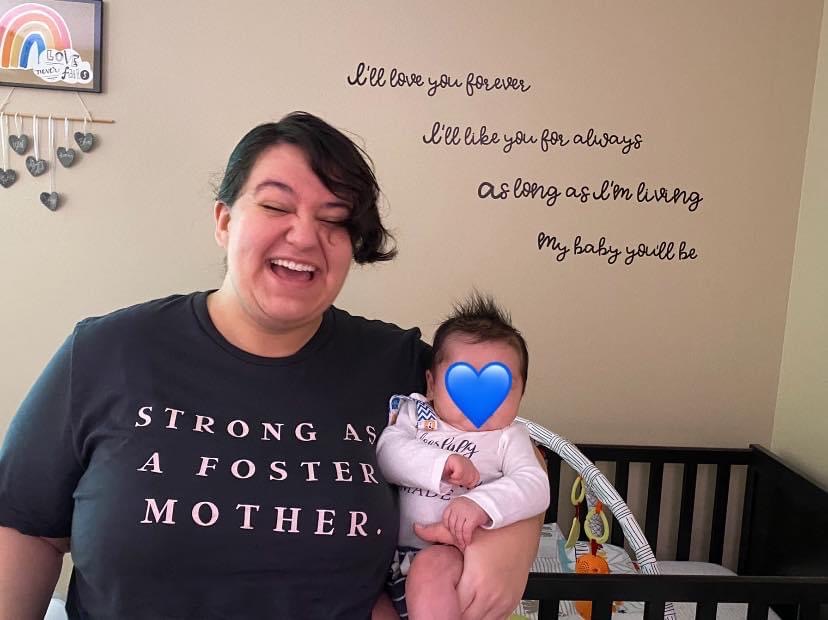
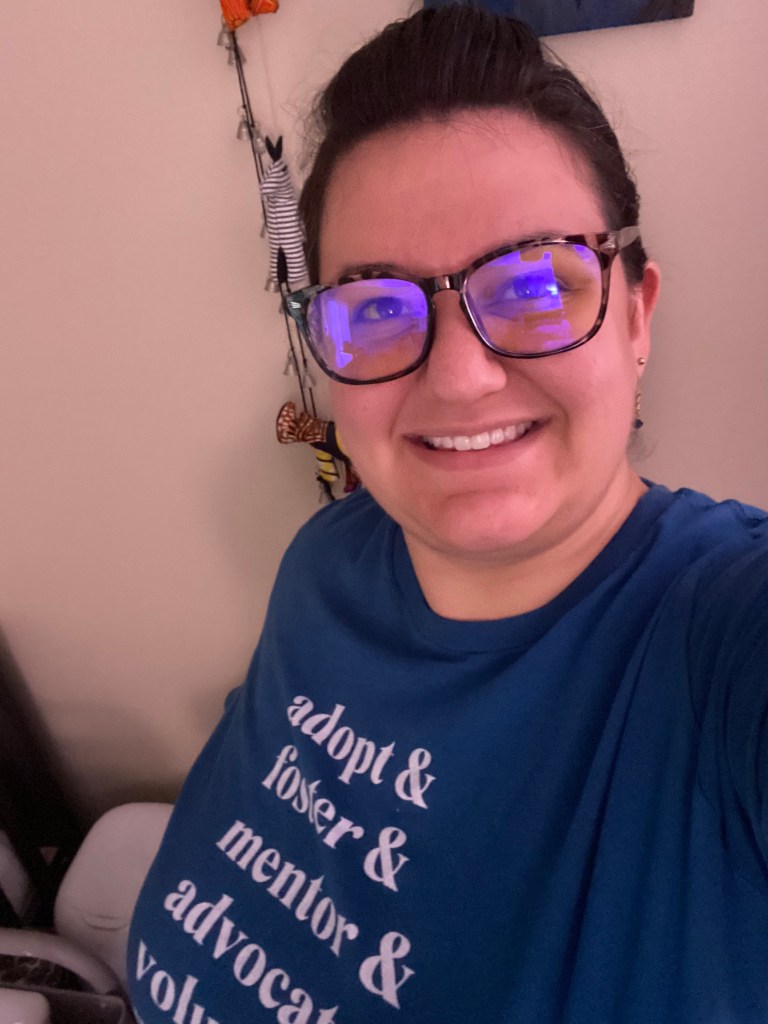
And if fostering is something that you don’t feel called to, know that it’s not the only way you can make a difference in the life of a child. One of my favorite shirts to wear is a shirt from Goods and Better that shows so many different ways to help kids – you can adopt, foster, mentor, advocate, volunteer, and pray. And the list doesn’t end there! Maybe you’re the person who is a part of someone’s tribe and your support is part of what makes fostering or adopting possible for them. In whatever way you want to get involved, just make sure you do. There are enough kids who are hurting and alone in this world that there is some way you can help. Figure out what works for you – and welcome to the village!

What is an ESH Placement?

ESH is a specific kind of foster placement, an Emergency Shelter Home. ESH placements are short-term, typically less than a month, and are a safe place for children to land when they first enter into foster care.

The goal of an ESH placement is to allow social workers time to find a relative who can care for kids (known as kin-care) or, if that isn’t a possibility, a long-term placement, either foster or foster-to-adopt.

What does it mean to be an ESH placement?

  • A little extra chaos. No one ever seems to know everything that is going on when a child first enters foster care.
  • Extra kids to love. Since ESH placements are designed to be short term, kids come and go quickly, which just gives me the opportunity to love more kids!
  • Caring for birth parents. This comes with any foster or adoptive placement, but as an ESH placement, I often have to chance to be a support to birth parents who just experienced one of the worst days of their life and had their child removed from their care.
  • A lot of different social workers. As an ESH placement, you work with a child’s first placement worker, their first case worker, and the birth parents’ first social worker. And all those social workers usually change after a week or two.

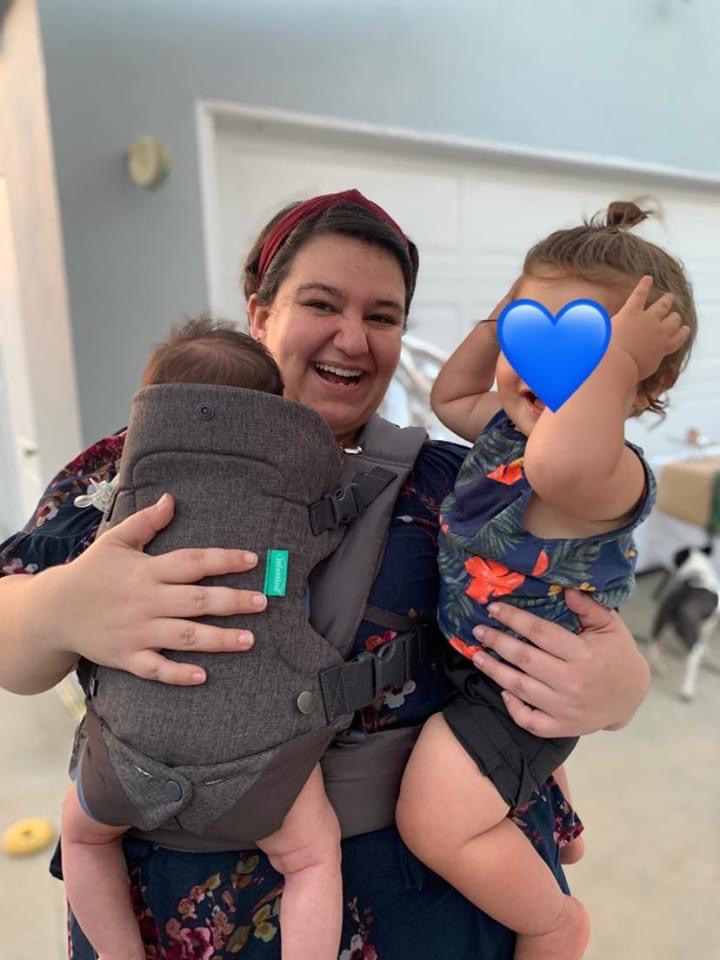
For me, being an ESH placement is the chance to provide a safe and loving home for the tiny humans who need it. As a single foster mom, I made the decision that newborn babies were the age I wanted to foster, so I have the privilege to care for babies who are just learning whether they can trust the world or not to meet their needs.

Constantly being a mom of a newborn baby means lots of sleepless nights, lots of new doctor appointments, and lots of laundry, but I wouldn’t have it any other way. Because it also means lots of first smiles, lots of new discoveries, and lots of the best snuggles in the world – that’s just what babies do.

I’ve been an ESH mom for just over one year now, and I’ve had eleven placements in that time. Eleven. Placements. That’s eleven babies who needed a home, babies who needed someone to love them, babies who were missing the only world they had known when they left their birth parents – and I’m barely a year in.

That’s also eleven chances to witness birth parents who love their baby with all their heart, eleven chances to meet a new tiny human and watch them discover the world, eleven chances to love someone with my whole heart before they leave.

It isn’t the easiest thing in the world to be an ESH placement. But for every possible hurt I face, there are so many more possible joys. And while I don’t get to keep these babies with me and watch them grow up, I let them go knowing I have done the absolute best I could to lay the foundation for love, healthy attachment, and trust in their life. I can’t imagine anything else I would rather spend my time doing.