Into the Unknown – Part 2

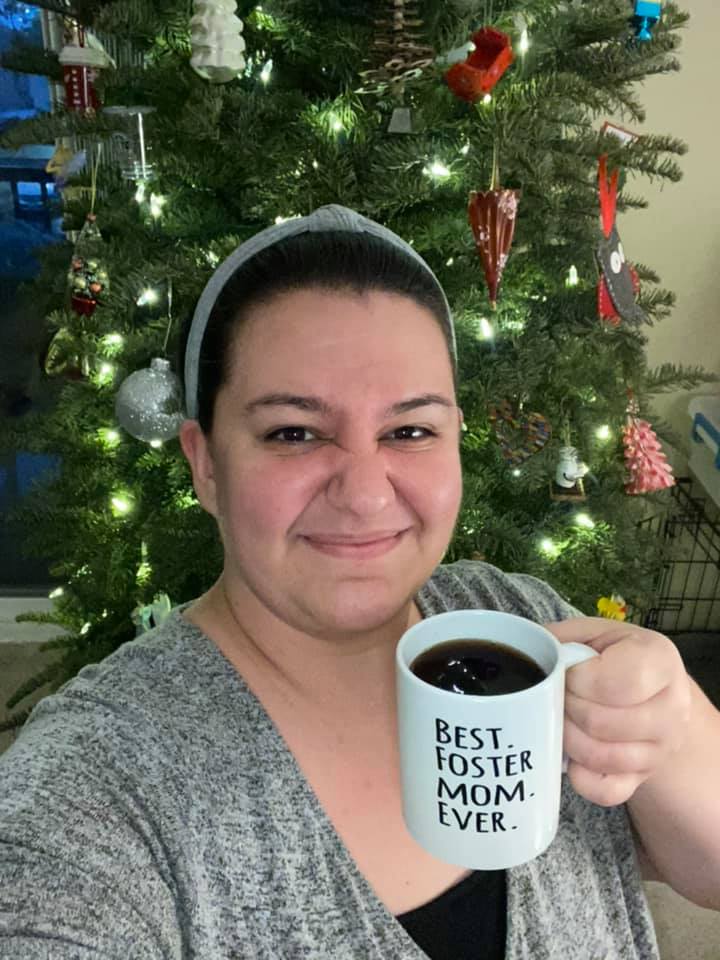
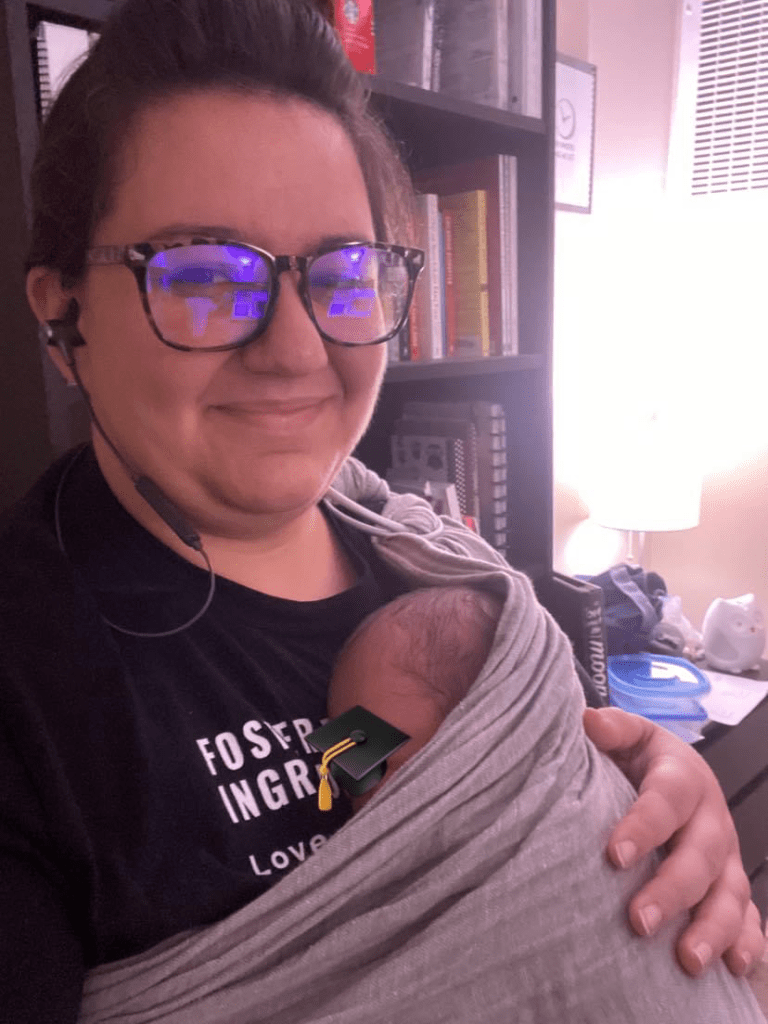
It has been over two years since I published anything on this blog. In those years, I have started a PhD program (never thought I would be saying those words), welcomed countless more babies into my home and heart, gotten through Covid, and now find myself with a medically complex baby whose case is heading towards adoption – and I’m planning to adopt him.

Two years later, and I still very much find myself in a place of unknowing. I did not know almost a year ago that the little baby boy I said yes to would develop so many complications that he would become a medical placement. I did not know I would become an expert in all things feeding therapy, including how to feed a baby using a PEG tube. I did not know that I would say yes to keeping a baby with me long-term or even that saying yes to long-term would eventually become saying yes to a possible adoption.

I did not know that I would be figuring things out like childcare or how to hire a private nanny or even how to work with an organization to help cover the cost of said nanny. I never thought I would say yes to keeping a baby as he turns one and becomes a toddler, something I swore to myself I would never have in my home again.

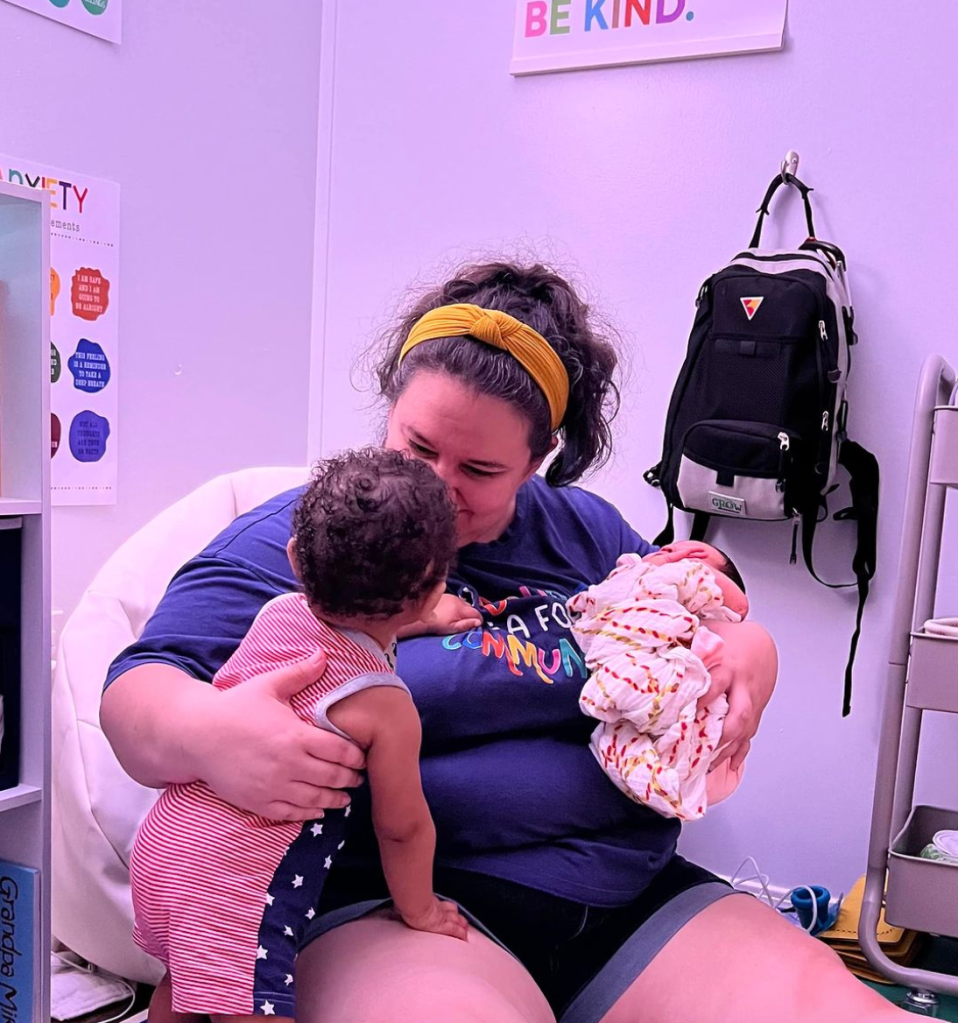
I also did not know that I would say yes to having two babies at the same time, something I did for the first time last August (twice). And something I have found myself saying yes to yet again now. I never thought that I would say yes to having both a toddler and a baby at the same time, especially since there is no blood relation between the two tiny humans. Yet here we are.

I’m not really sure what I mean to say as I reflect on all these changes other than to reiterate what I have already said – the only thing known about foster care is the fact that there will be so much that is unknown. The only constant is chaos, but it is a good kind of chaos with tiny babies and late night cuddles and never knowing what triumphs each day will bring.

So for those of you still with me, know that wherever you are or whatever you may be facing or whatever “unknown” you are currently living, you are not alone in that. And perhaps leaning into the unknown rather than trying to control it is not such a bad thing when it means we get to welcome so much goodness alongside with it.

Into the Unknown

If you now have the song sung by a certain snow queen playing in your head, then I apologize. (But not really, since it’s an awesome song to pump you up when you need it.) But that phrase – into the unknown – perfectly describes what this past week has been for me.

Monday evening, I got a phone call, the phone call, letting me know there was a baby who needed a home and needed one immediately. After such a long time without a baby, it was starting to feel like my “normal” was life without a baby, rather than the other way around. Overjoyed, I promised the social worker that I could indeed be there to sign paperwork in 20 minutes, packed up my backpack with a blanket and onesie for a little baby boy, and rushed out the door, anxious to get there as soon as possible.

I showed up (just before 5pm, as promised), ready to sign paperwork so I could go pick up a baby I knew nothing about, other than the fact that he needed a home. I usually get more than a few minutes notice (a couple hours or even a day is usually what happens), and I also normally get some information during that initial phone call – the baby’s name, how old they are, what the circumstances are, and a guestimate of how long their stay with me will be. Of course, things change (I’ve said before that the only constant in foster care is change), but even having that much information and the social worker’s best guess helps me wrap my mind around the situation.

This time, I had none of that. I just knew that I had to show up, and so I did. As I started to go through the paperwork with social worker, I realized that the name I was seeing on the papers was for a girl, not a boy. Not a huge deal, as I love having both girls and boys, but it was something definitely expected. Finishing up, I asked the social worker all my standards questions, and was told she had none of that information. All she knew was the hospital I needed to go to and the baby’s name.

Paperwork in hand, I showed up at hospital, only to find out that not only was the baby under a different name, but that she was actually in the NICU! (For those of you wondering if I picked up the right baby, I did. The social workers, nurses, and myself all double checked.) I changed this little baby girl, only 4 days old, into a blue onesie, put her into the car seat covered in dinosaurs, and drove ourselves home, where I immediately changed her into clothes with little hearts and settled in to get to know this little girl who I already loved with my whole heart.

On Wednesday, as I was still trying to adjust to caring for a newborn even as classes and work continue as usual, I had another phone call from her social worker and learned that she would be leaving on Friday. In less than 48 hours, I went from having no baby, to being up all night to hold her so she would sleep, to learning she would be moving again in less than another 48 hours. As an ESH mom, short stays are always a bittersweet thing because they mean that my babies have a long-term option for them readily available, which is better than the temporary stop-gap I help fill as an ESH placement. It doesn’t make them any less chaotic for me, but a part of me is happy that they will be in a stable place so quickly.

It is now Friday evening, and Baby Girl has been dropped off with her next family after a frantic morning spent packing her bag and a copious amount of tears on my part. It is hard to process just how much has happened this week in such a short amount of time. Yet at the same time, foster care is always about going into the unknown and committing to love anyways. Most of my babies don’t come with such a large amount of unknown squished into so few hours, but I usually don’t know exactly how long a baby will be with me or where they will go after their time with me. I don’t have any guarantees about how many complications they come with or how their birth family will act towards me.

I have taken a lot of comfort this week from a new song by JJ Heller, “You Already Know.” I might not know what is going to happen with any sort of certainty, but I can be assured that God does. He already knows when that next phone call will come, how long that baby will stay with me, and even where that baby will end up staying forever. I don’t have to know. And while it’s okay to feel scared and overwhelmed and anxious about it all sometimes, those feelings don’t mean I shouldn’t be an ESH mom – they just mean I’m human.

I plan on taking it easy this weekend, to sleep in as much as I want and keep to myself at home. But when Monday comes, I will commit to going into the unknown again without hesitation. As author Rachel Fordham has said, “I have zero regrets about loving this child. I will grieve deeply the love I want to keep giving, but never the love I gave.” I might not know what my future holds or who I will get to love, but I do know that I will continue to say yes to the chance to love.

Fostering While Single

I’ve posted before about how It Takes a Village to foster, but I have found this especially true as a single mom. As a single parent in a world that seems to be made for anything but single parenthood, I need reminders of my own strength as well as my need to accept help.

There seems to be an extra pressure to being a parent when you’re single – a pressure I feel coming from both myself and the world around me. It’s easy to feel like I need to do it all and do it all well. People make comments all the time about how hard it must be to be single mom since I don’t have a husband to help share the load. (These comments always make me think how it’s easier not to also have a husband’s schedule to work around in the chaos that is foster care, but maybe that’s just me.)

The truth is, being a single parent is different than parenting with a spouse, but it doesn’t mean I’m alone. I have a whole community of people in my life that surround and support me as a person and as a mom. (And in reality, being an ESH mom is already a different story than having biological kids of my own, so what’s one more difference?) Being a single ESH mom simply means that I need to remind myself more often that I’m not alone.

I recently heard a wonderful podcast episode about singleness on The Hope Project that talked about the unique value of single people in the church. It spoke deeply to my experience as a single person who is fully involved in her church. As a Christian, I have often felt like I’m supposed to have a place in the church but don’t quite belong. I have kids so I’m involved in children’s ministry, but I don’t worry about what schools to place my kids in or what number of kids I’ll stop growing my family at. There are also times that I don’t have a kid in my life (in between placements), but I would still consider myself a mom. I am a parent, but I can’t have conversations with others moms about my husband because he doesn’t exist. I don’t fit into the young adults group, but neither do I belong in a couples’ ministry.

The church is referred to a lot as the family of God, but there’s an unspoken assumption that the church is a substitution family until you can get married and have a “real family.” I am coming to realize I shouldn’t limit my understanding of the family of God to just a husband. I should see my church community as my family, and therefore, be open to relying on them just as I would rely on family.

Maybe other people also need to realize that community is meant to be relied on, and it’s not just me. (I really hope other people are still coming to this realization, and I’m not the last person on earth to be keeping myself from asking for help in the way.) If it is just me, well, then at least I’ll be able to lean on others as I try to change the ways I ask for help and the ways I allow myself to accept help. There are a lot of ways I can accept help as a single ESH mom:

  • Living with friends (who are okay with the fact that I can do less around the house when I have a baby)
  • Asking a friend to manage a Meal Train that she sends out for me every time I bring a new baby home
  • Reaching out to the retired members of my church to see who would be able to babysit for a few hours randomly during the week (if I need to get work done without being distracted or have to attend a meeting sans-baby)
  • Keeping a list of people who said to reach out whenever so I can send out requests for tangible things (i.e. a couple hours in the evening to hold a baby so I can shower, help doing dishes and cleaning my kitchen, a person to go on a walk with randomly and to chat and regain some sense of normalcy)
  • Welcoming older people in my church to be surrogate grandparents since it never hurst to have more grandparents (i.e. who I can call for last minute needs like I do with my parents)
  • Doing life with a MOPS group who has welcomed me with open arms as a true mother and with whom I can share both joys and struggles
  • Attending support groups for foster and adoptive parents to learn from others, share experiences, and regain a sense of belonging with other parents

Of course, all these support ideas would work just as well for couples who are fostering or adopting (or raising children in any capacity). But for me, I think realizing that I’m not all alone in this life as an ESH mom is going to be the difference between being a girl who has babies in my home and being a fully present, loving, responsive mom to the ones I get to mother.

Be Strong

The last few years, I’ve been lucky enough to be a part of the MOPS group at my church. If you don’t know what MOPS is, it stands for Mothers Of PreschoolerS, but it is really a place for all moms to come together, no matter how old or young the kids are. Each year, there is a theme that we focus on, along with a few supporting points. This year, the MOPS theme is Decide to Rise (appropriate with all the craziness of the past year, no?), with the supporting points Be Strong, Chase Joy, and Do Your Work.

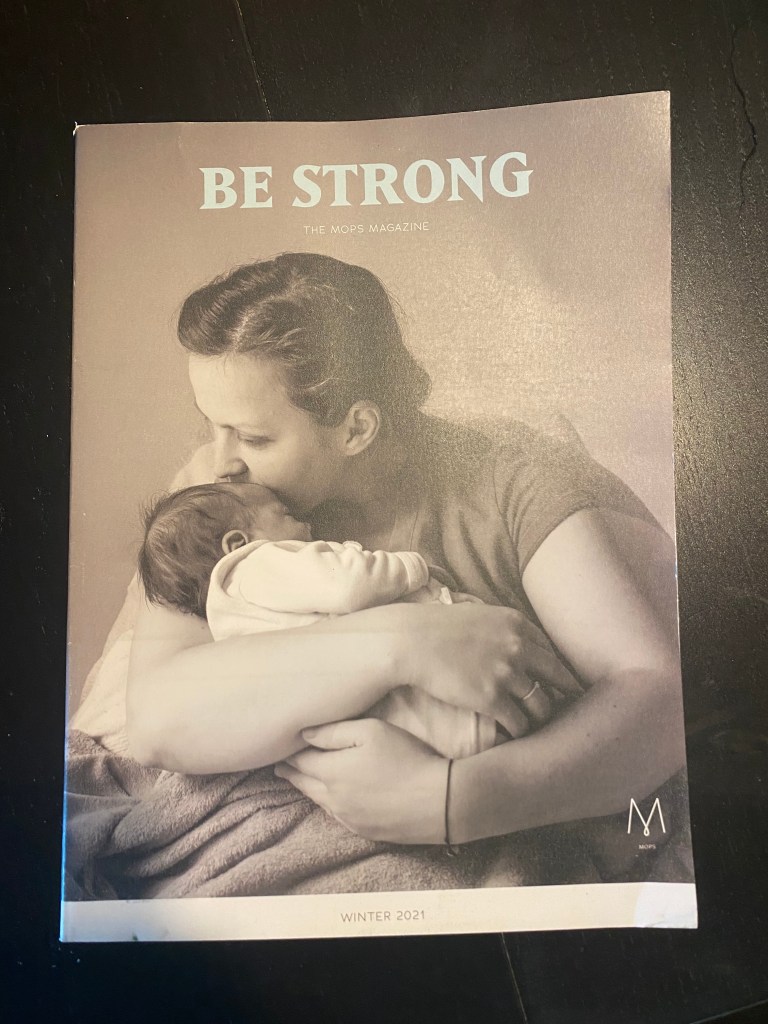
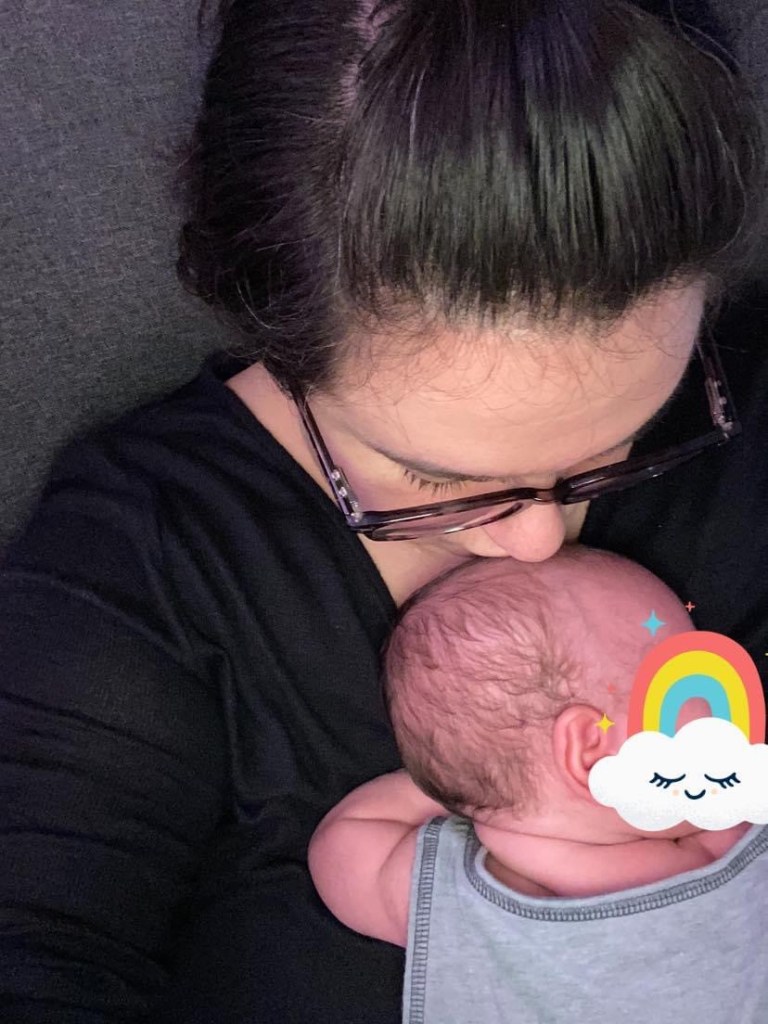
On e of the past MOPS magazine was dedicated to Be Strong. The cover image of a mom kissing her sleeping newborn was so familiar to me and my life, and it got me thinking: What do I think it means to be strong? Should I be thinking of the physical strength I need to carry these babies in my arms or to get up again and again during the night to feed them and rock them back to sleep? Should I think of the soulful and mental stamina that most people associate with being a foster parent?

As a single ESH mom, I have a lot of different ideas on what it means to be strong. It would be easy to think of strength as a foundation to get everything done – there is so much work to be done when it comes to being a part of the foster care system, and that doesn’t even include all the things every parent needs to do to keep their house running and the bills paid. Or to think of strength as the way to face challenges head on as the ups and downs of foster care come day by day when things don’t go the way I want them to. But when I sit down and really think through what it means to be strong, it really all comes back to the same thing. At the core of it all is love. To me, being strong means choosing to love.

I choose to love deeply. As soon as I get a call about a baby who needs a home, I love them. Sometimes, a placement ends up falling through, and I don’t ever get to meet that little one, but I have loved them deeply anyways, sight unseen. On the good days, I get that phone call and get to meet the baby that I have already accepted into my heart. I get to take them home, welcome them into my arms, and love them in person. While it may seem smarter to wait until I meet a these tiny humans before loving them, I choose to love them with my whole heart as soon as I hear about them.

I choose to love without condition. There is so much unpredictability when it comes to foster care, and sometimes it feels like the unexpected is the only thing you can expect. But I choose to love no matter what the outcome of a placement will be – whether a baby stays with me for a few days or a few months, whether they are able to reunify with their birth parents or not, whether a baby shows me affection in return or not. I choose to love without placing any sort of condition that says, “I will love you if you…” (you can use your imagination to fill in the blank).

I choose to love the very people the world tells me I should hate. As a foster parent, even as I love my babies deeply and without condition, I also choose to love their birth parents in the same way. I choose to see them not as people who want to hurt others or as a threat to my relationship with my babies, but rather as people who also love the very same little ones I do (and who even loved them first). We get to come alongside and love the same tiny human at the same time, even if it is not in a situation we would have chosen be in if it were up to us. I choose to deny the world when people say birth parents must be awful people since they had their children taken away from them. Instead, I choose to see them as humans who are just as human as I am and are doing the best they know how to do with the choices their life has given them.

I choose to love even when I think I can’t. When it’s the middle of the night and I’m trying to rock a crying baby back to sleep and I haven’t slept in days and I feel like I could not possibly have any love left to give to this babe, I choose to ask God that His love would shine through me in that moment when I have nothing good left in my heart. In these moments of my own human limitation, when I feel like I am just too tired or too busy or too hurting to love well,  God shows up and pours out His love to my children and to me, and it is exactly what I need to continue on loving.

There are so many moments as an ESH mom that I am faced with a decision: do I choose to love right now or not? It is not easy to love deeply or unconditionally or with people who enter my life through less than ideal circumstances or when I already have given my all, but if it was easy, then it would not require strength. So even though it’s not easy, I will continue to be strong and choose to love, each and every time.

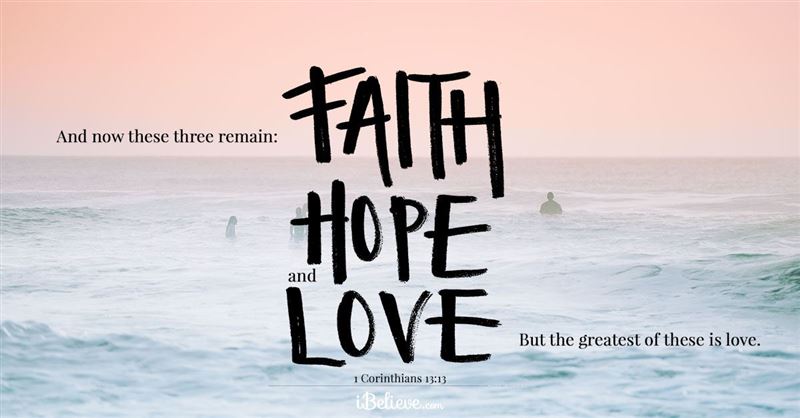
1 Corinthians 13:13 - And now these three remain: faith, hope and lov...

Waiting in the In Between

It’s between a month and a half since my last baby left, and I am itching for that next phone call. The phone call that makes my mind go into overdrive and sets my heart racing, where I hear there’s another baby waiting for someone to take them home. The phone call that is both exciting beyond words and a little bit terrifying as a foster mom, because you never really know what you’re signing up for.

But meanwhile, I’m stuck in the in between. My days aren’t ruled by a feeding schedule or the cries of a newborn baby, and everyone always assumes I must be excited to catch up on my sleep. But the truth is, after the first few days of sleeping through the night, I start to see only what I am missing.

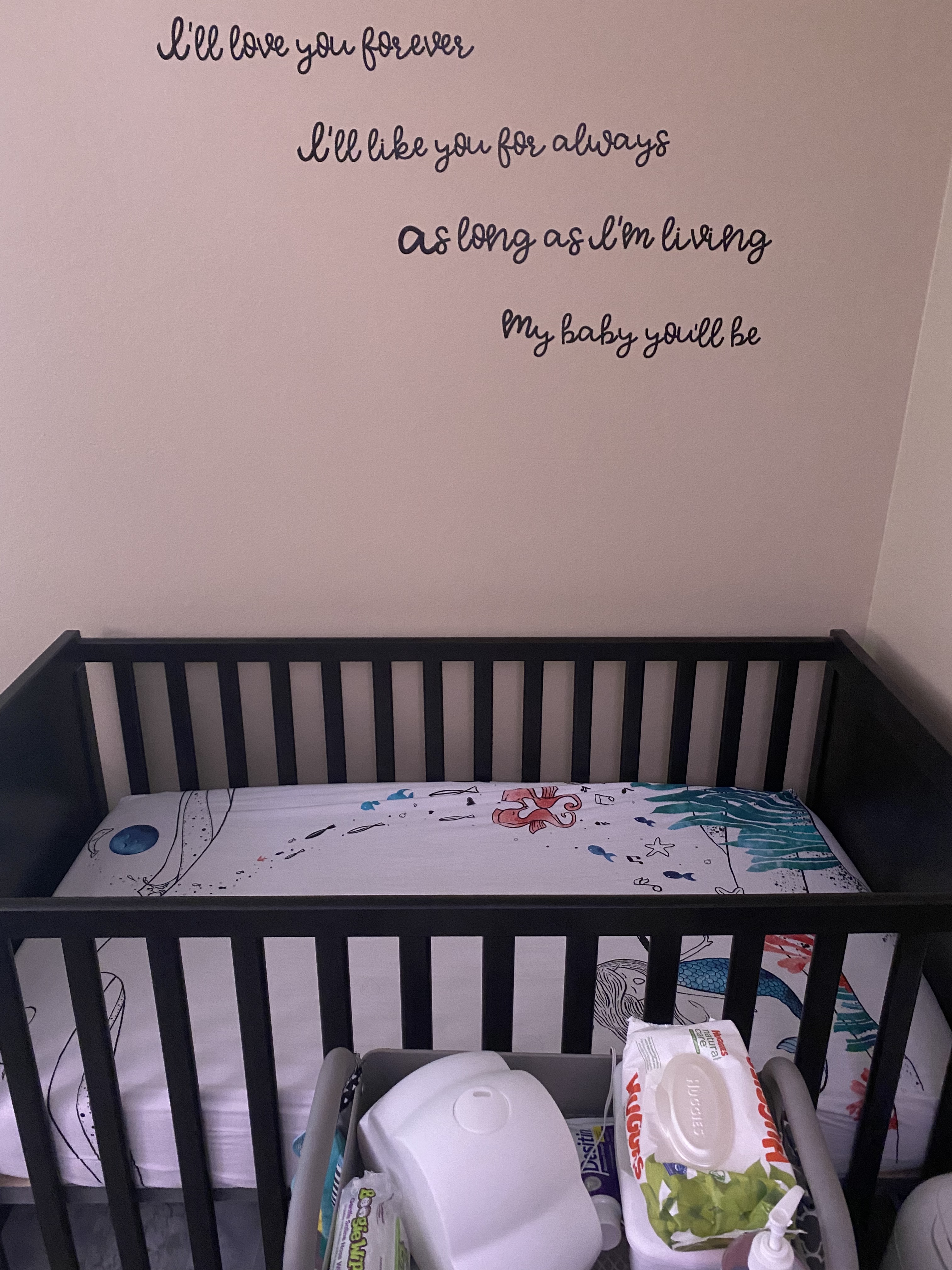
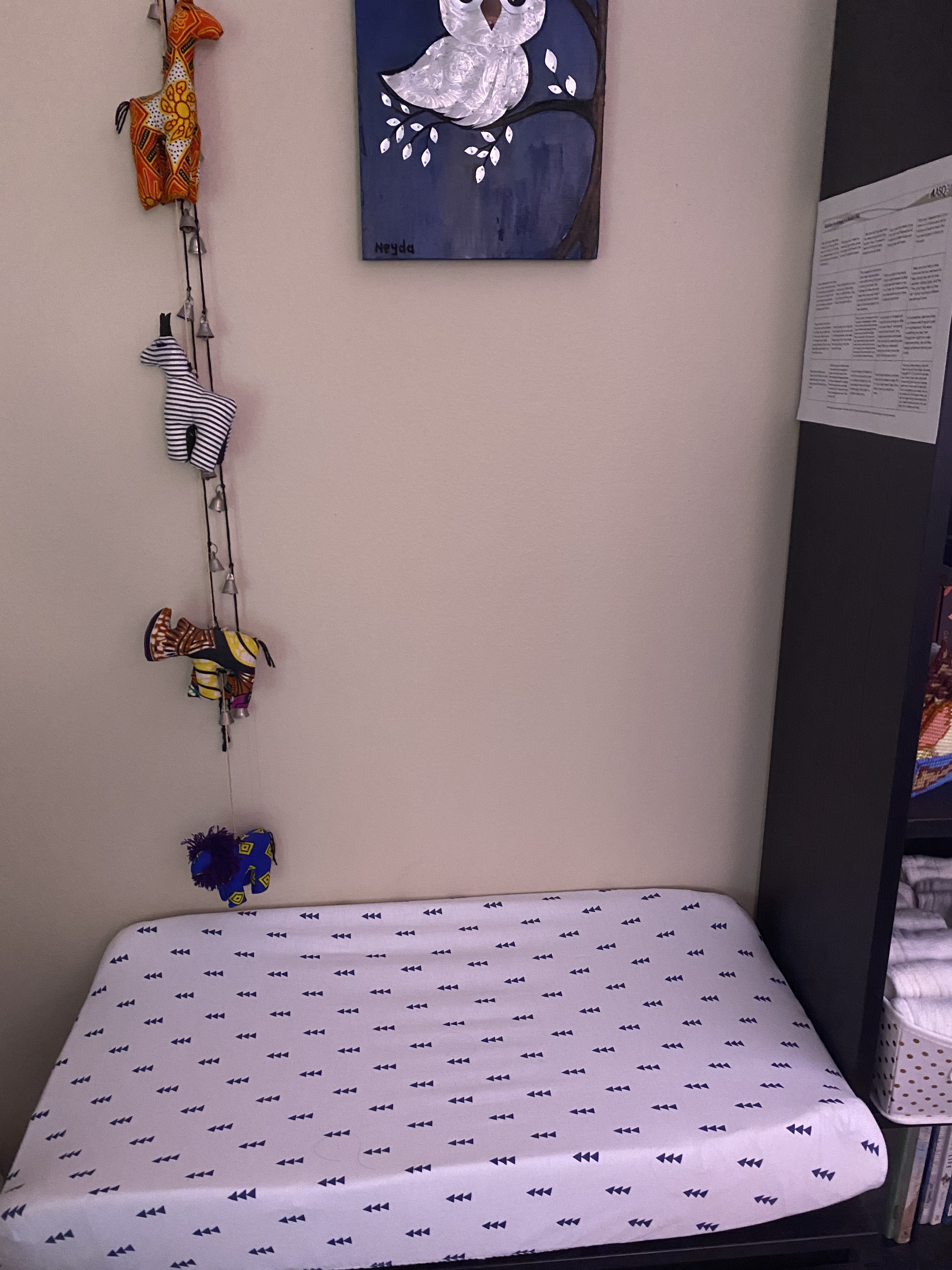
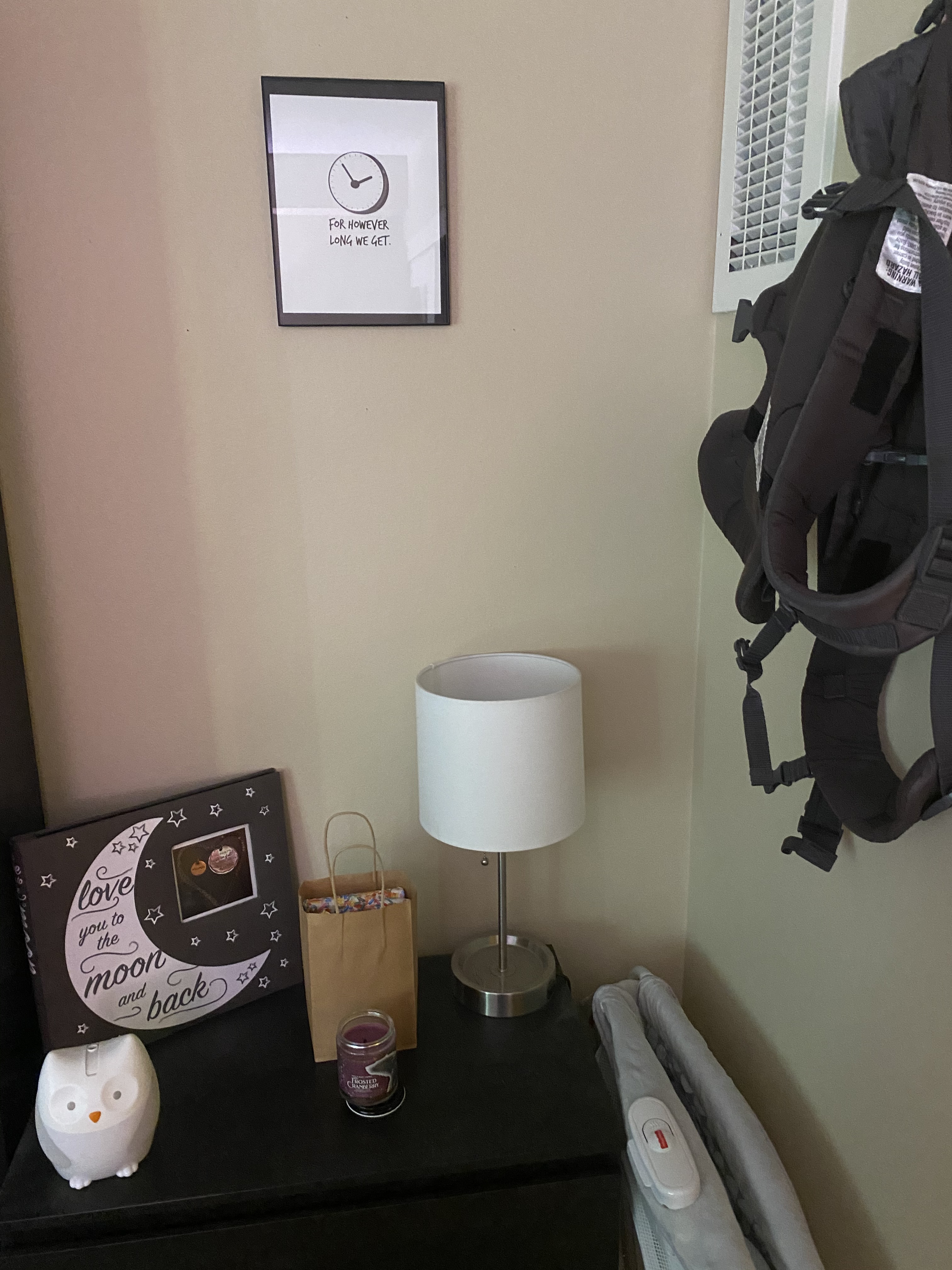
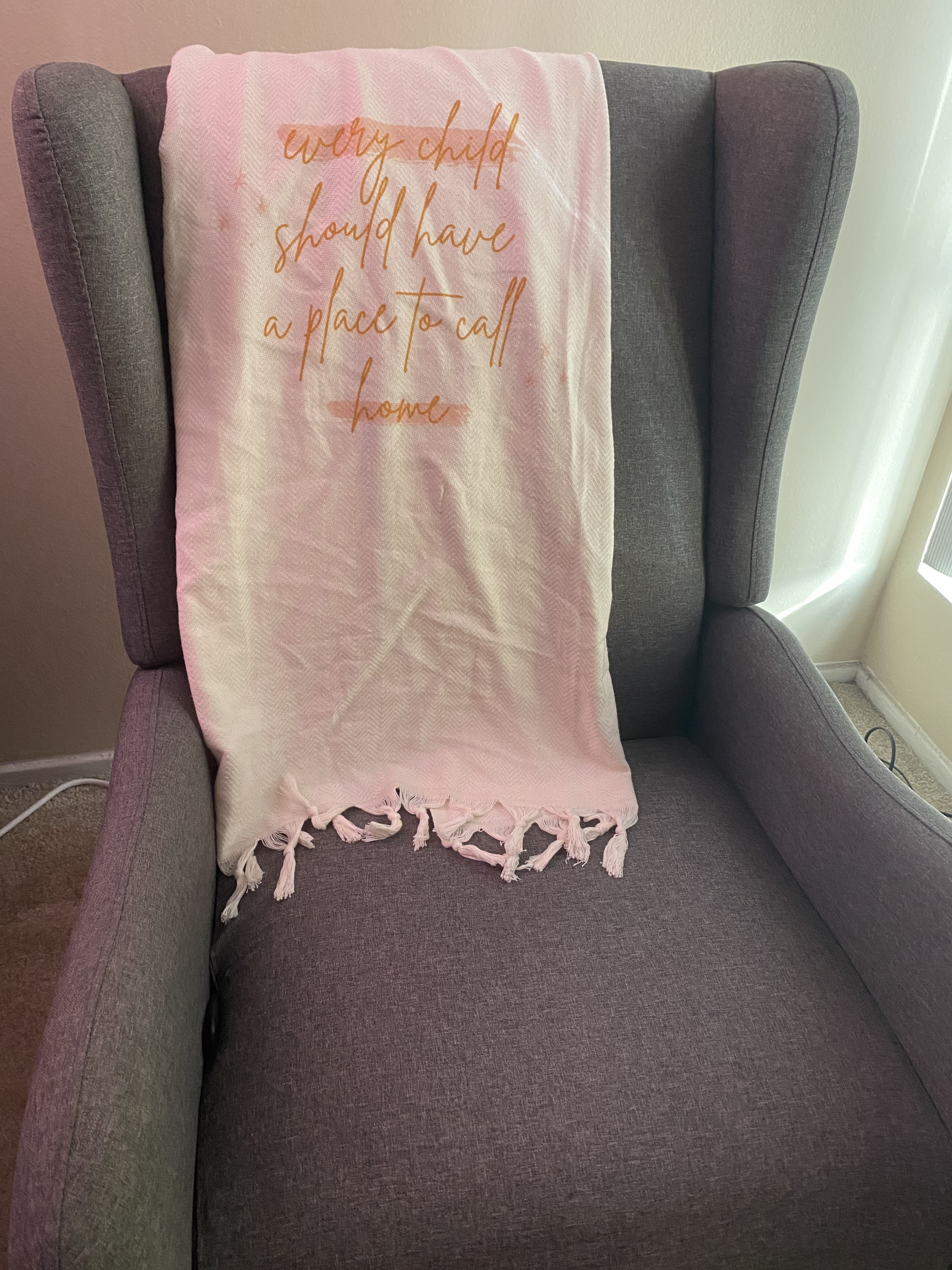
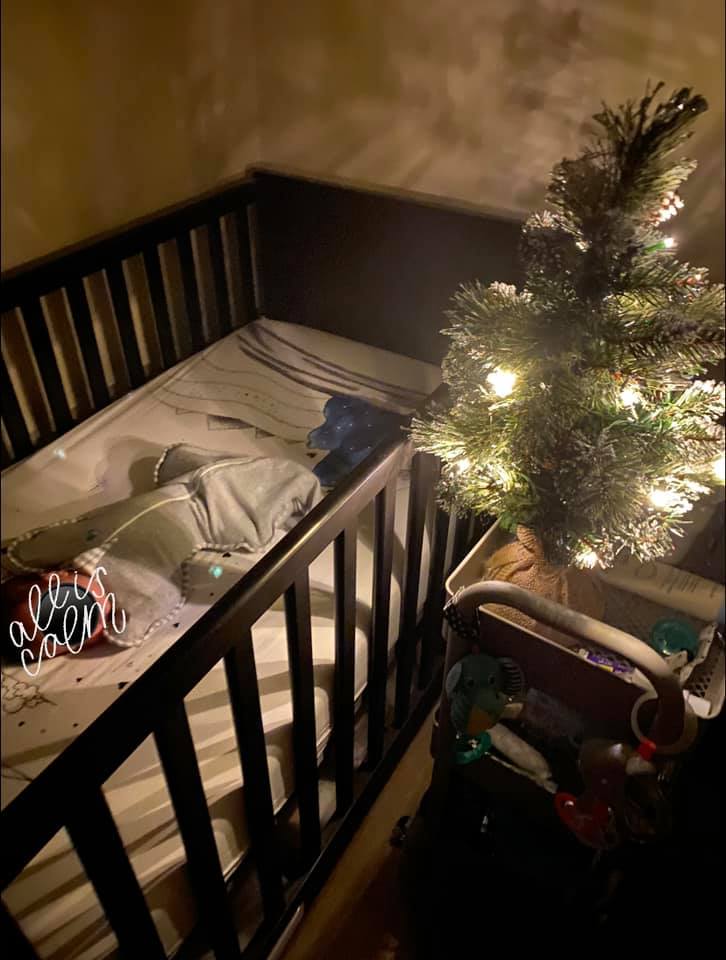
My crib is empty, and I don’t even know if the mermaid sheets I have on it now are the sheets my next baby will need. My changing table sits empty, and there are no little hands trying to grasp the animals above. The bassinet is folded up in a corner and the baby carrier hangs above it, waiting to be used. Even my rocking chair is empty, although the blanket draped over it still shouts out a reminder that every child should have a place to call home.

It’s hard for me to be in this place of in between. If I were waiting to welcome a child from my womb, then I would at least have an estimate of how much longer I have to wait. I could be nesting the month before and it would be perfectly normal, even expected, and people would probably ask me every time I was out when my baby was coming and if I was ready.

But instead, I’m left in limbo, eagerly waiting for that baby to come home but with no idea who that baby will be or when they will come. And it’s like this for every foster and adoptive parent, not just for ESH parents. Every moment we have this anticipation in the back of our minds, but we have to carry on with life and work as if this wasn’t our reality.

In this time of in between, friends and family ask if I am taking this time to catch up on sleep and work, to work ahead on homework for my classes, and to enjoy having my life to myself again. The truth is I know a part of me does appreciate being able to answer emails and write papers without constantly listening for my baby’s next cry, but mostly, I miss having a baby to hold, cuddle, and love. I know this time without a baby is important and necessary if I want to continue as an ESH mom for any length of time, but it is still hard in its own way.

I think this in between space is a challenging part of foster care that I did not realize would happen. When I was getting my license, I knew how desperately I longed for that first phone call, how much I did not want to wait a minute longer to bring my first baby home. After all, I had heard this longing and hope from all the other foster and adoptive parents, how long it seemed before they finally got to meet their child. However, no one ever told me (or maybe I didn’t listen when they said) that this ache in my heart would happen every time I was waiting for the next call.

I keep waiting for this call to foster care to diminish, to maybe hit me not so hard while I wait in the in between. And I’m only in my second year of being an ESH mom so maybe it will happen down the road, but so far, I have felt it return every time I have an empty crib waiting for a little body to sleep safe in it. My arms feel just as empty and my heart is fully waiting to meet the next tiny human it gets to love wholly and without boundary.

My challenge to myself as an ESH mom in this in between is to still enjoy the days I get to live even while I’m not caring for a baby. It is to see this time not as a waste, but as a chance to prepare my heart, mind, and life for the time when I am occupied again with all that a baby requires. To use this time to check in with friends and love the people in my life with the extra time in my day that I don’t have when I have a newborn. This time of in between is not a time when I am no longer a mom, it is just part of the rhythm of being an ESH mom.

My Capacity as a Foster Parent

A couple months ago in the middle of the busy Christmas season, I had met up with another foster mom, our babies strapped down in the stroller, walking shoes on, and both of us ready for a time to talk and just be with another woman walking a similar journey. I shared how excited I was for my friends who had just had their baby and how much I loved getting to see their brand new little one when I had dropped off dinner the night before.

I was surprised by her immediate response: “How did you manage to do all that when you have your baby?” My initial reaction was surprise – the dinner I had dropped off wasn’t homemade. I had just picked up dinner from El Pollo Loco on my way to their house, so it didn’t take that much time out of my day. (Luckily I don’t live in the South, where I assume anything other than a homemade meal is an insult to hospitality!) Plus, I love anything to do with babies, so of course I would jump at the chance to welcome a new tiny human. It seemed like a no-brainer to me.

In the moment, I laughed off her response, and responded with a quick comment about picking dinner up for myself anyways. But her words stuck with me (obviously, since I’m still thinking about it months later). Her surprise and seeming understanding that this act had been far above and beyond what I should or could be doing as a mom of a newborn made me question what I was doing.

Was I trying to do too much, filling up my schedule as much as possible as I got swept up in the busy-ness that is practically an American idol? Was I running myself ragged and trying to serve others even as I felt more and more empty inside? Was I not taking the time I should to stay at home, minimize any responsibilities not related to my tiny human, and focus on just him and me?

At times in my life, the answer to any and all of these questions would be a resounding yes. I tend to be a person who takes on too much, who sleeps too little, and who bends over backwards to make sure other people are taken care of. But in this instance, what I had done didn’t feel like that. I was excited to have gotten the chance to visit my friends and hold their new baby. It was fun to get to bond over being new parents since they had supported me every time I had a new baby and now it was finally their turn to become parents. I left feeling refreshed and even better than when I arrived, not like I had poured out myself to serve others.

So what was the difference? Because I can recognize that bringing someone dinner is an act of service – I certainly receive it as such when someone does it for me! So then why was this time different than others times I had done something similar but viewed it as another task I needed to check off my to do list.

I think the answer has to do with capacity, but probably not in the way you think. It has less to do with my own capacity (which is always much smaller than I think it is), and a lot more with the capacity of the God I know as the Creator of all existence. When I am trying to do things only within my own capacity, then I am quickly overworked, stressed, anxious, and constantly feeling guilty for being able to do less than I think I should.

Instead, when I am simply saying yes to showing up every day, when I put myself under God’s capacity rather than trying to do it on my own, then it is so much better. I don’t have to constantly carry the mental load of everything there is to do when I all I really have to do is say yes rather than determine if I can do something within the Tetris-like schedule of my week. I can go through my days enjoying what I get to do each moment, rather than always thinking about the never-ending to do list.

What does this have to do with being a foster parent or with my capacity as an ESH mom? The concept is the same. When someone says, “I don’t know how you do it!” The answer is simply that I don’t. I’m not the one who is doing it all or in charge of my babies’ stories or making sure their birth parents are doing everything they can be. I won’t last long in foster care if I see myself as the one who needs to do it all.

But I can be the one who chooses to show up and just say, “Yes, I am here.” What happens from there is anyone’s guess, but if it’s anything like the crazy and wonderful ride it has been so far, I know it will be so much more than worth it. So I will face each new day with the intent to just show up and not take it upon myself to be in charge of it all. That’s the only way I’ll be able to enjoy all the things I could say yes to – new babies, dinner with friends, and even impromptu revelations from early morning conversations.

Holding Complexity

I’m usually not the person who has a word or new goals for the new year. And if I do, then I like to make sure I have everything decided and an action plan ready to implement at least a week before New Years (so I can tell myself I not only met the deadline, but worked ahead of the deadline). It’s also already almost two weeks into the new year, but as part of my foster parent support group yesterday, I was sharing some of my insecurities and fears that I face as an ESH mom.

I talked about how it can be hard to have babies (and their families) leaving my life on the regular, but how important it is to still love my babies and their families as hard as I can while I can. In response, I was given this phrase of “holding complexity.”

A large part of my motherhood journey involves holding the complexity of all the stories I carry from my babies. It involves the complexity of loving babies, birth parents, relatives, and new foster or adoptive parents, while committing to not turn on one for the sake of another. It involves the complexity of loving all of these new people who may only be in my life for a short time or for the rest of my life, and not knowing which it will be beforehand.

This idea of holding complexity is both freeing and a responsibility. It is freeing because it means I do not have to hold a part of heart back from new families in fear that I will get too attached to too many people – my heart can be secure in the knowledge that the life I live is complex and perhaps my old ideas of relationships need not apply. It is freeing because it gives me language to express the enormous sense of confusion that always seem to be a part of foster care without giving the impression that I would wish for something else.

This newfound freedom also helps me shoulder the responsibility I have as a foster parent. The responsibility to love my babies’ birth parents is easier because does not need to be attached to whether they will get their child back or not. The responsibility I feel to educate the people in my life about foster care can now be tempered with the knowledge that I do not have be able to explain everything to everyone – because foster care is complex and there will be parts that people will be unable to understand or I cannot talk about.

So I look forward to another year of fostering as an ESH mom, whatever it may look like and whoever may come into my life. I look forward to holding the complexity of foster care because while it can be confusing, it also involves so much good that I can’t imagine not loving this life of complex motherhood.

Grief As a Foster Parent

When I think about my grief, it’s hard to explain it to people outside the foster world. It’s hard even to explain it to other foster parents who don’t do emergency placements. Often, it seems impossible to explain to the point that I gloss over my grief and just talk about how much I enjoy getting to love on these babies.

I am asked often, “Aren’t you sad when they leave? How do you not get attached?” The answer to me seems obvious – of course I am sad when they leave, and I absolutely do get attached to my babies. How could I not when I love them and care for them 24/7? How could I not come to love these tiny little humans who depend on me for love, safety, and security for they time they are with me?

So then why do I do it? Why put myself through the grief of losing these children when they leave again and again? The answer has less to do with me and more to do with them. Yes, my heart breaks when a baby leaves, but I have a community of people who love me and healthy coping mechanisms to help me heal my wounds. These babies have lost everything when they come to me, their entire world left behind. Isn’t that pain so much greater than the pain I go through?

Yes, I grieve when my babies leave. But if I have to feel that loss so that a child does not have to go through the loss of their entire world alone, then that is so much more than worth it in my eyes.

The odd thing about grief as a foster parent, especially as an ESH parent, is that I don’t think there are words to accurately describe the pain. I say that I have lost my children, but they haven’t died. My babies are still living in this world with a family – it is just that it is not my family and I often have no contact with them after they leave my home. To me, the word “lost” makes sense, but people rarely react well when I use that term in casual conversation.

How should I describe the pain I feel in my heart when something reminds me of a baby I use to hold in my arms? When I see someone with poofy hair like one of my babies or someone who sneezes five times in a row like one of my babies or even someone in the children’s ward of a hospital like one of my babies, how do I describe the longing I feel to hold that baby in my arms again? That yearning that will go unfulfilled to cuddle them close, kiss their cheeks, and assure myself that they are okay?

I don’t think the English language has a word to accurately portray that loss, or at least I have not yet learned it. The best I can do is to use the words I do have and offer a deeper explanation if someone takes offense.

So if I share my grief with you, I ask for patience and understanding from you. I ask that you would not assume I am comparing the new placement of my children to the death of another child, but if you do, that you would ask deeper questions of me rather than judge. I ask that your response would not be to encourage me to stop fostering or just adopt so I could “finally keep a child,” because I don’t think I would ever be okay with guarding my heart at the expense of a child’s need for love.

In this world, there will be things that bring us all grief. In my life, the joy of being a mom of newborn baby will probably always be accompanied by the hurt of that baby leaving. But I will continue to choose love over hopelessness, praying for each baby that comes into my arms, knowing that even when I am not with them, I have done all I can to give them a loving home while I could. And hopefully, that will be enough.

Holidays and Foster Care

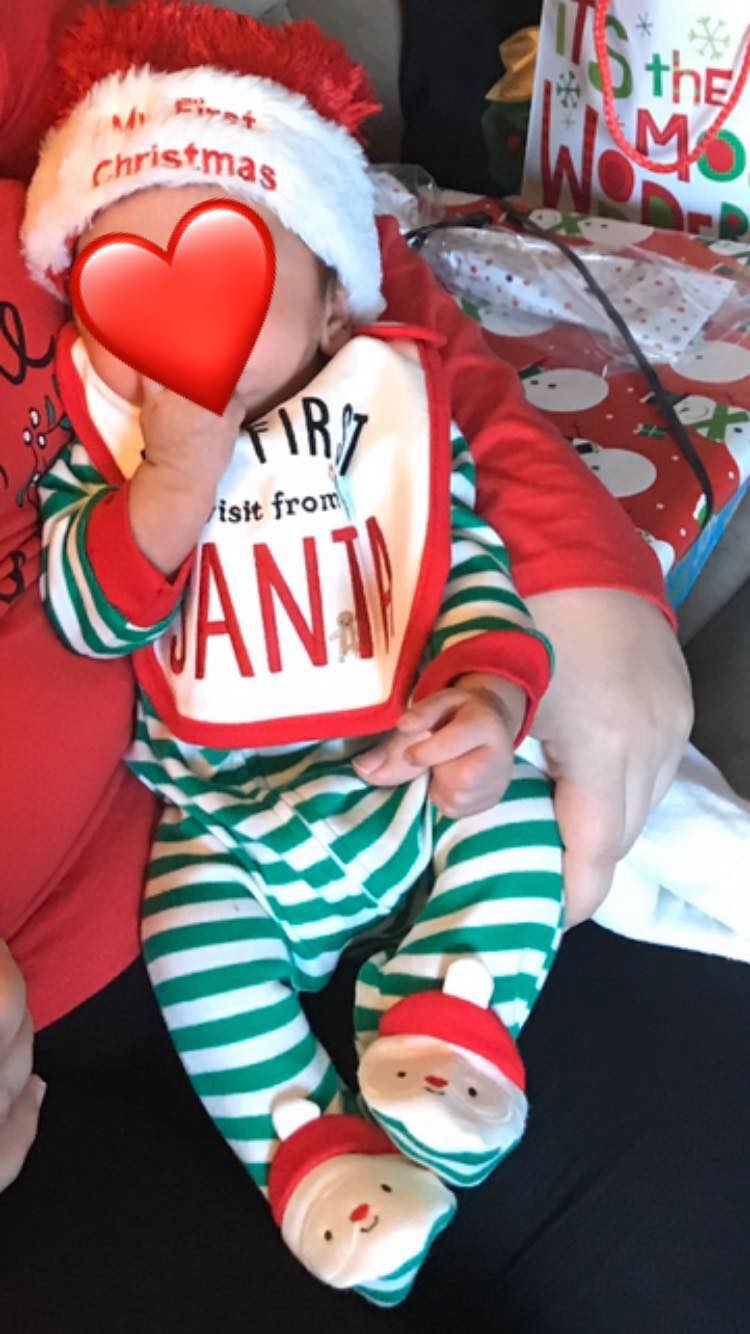
For the last two years, I have had a baby in my care at the end of the year, and it is one of the things that brings me the most joy in the holiday season. Christmas lights and JJ Heller’s Christmas album and decorating trees inside the house and the additional community of friends and family… I consider it a miracle every time I get to be the first one to introduce a baby to these wonderful things.

But for every joyous feeling I have, there is also a shadow. Because it should be my babies’ birth moms who get to introduce these things. They should be the ones who get to wake up smiling every day as they choose yet another cute outfit for their child to wear or plan ways to celebrate the holiday with their little one or quietly sing Christmas carols in the middle of the night when the baby wakes up hungry.

But it isn’t their birth mom who gets to spend time doing this, it’s me. So I try to document everything with pictures and share them every chance I get with their birth parents, whether in person during a visit or through a text. But it’s not the same. I see it in the grief these parents carry with them at the end of every visit as they have to face the reality yet again that they are going home while their baby stays behind.

For every moment of wonder and happiness I get to experience, there is an equal amount of grief because this is not the way it is supposed to be. Every smile I see on my baby’s face is a smile their mom is missing out on, and that is not a truth I can carry lightly.

And while I know all foster parents struggle to carry both sides of this story, we are also surrounded by well-intentioned people who share their opinions.

“Those babies are so lucky to have you – now you know they’re safe since you give them such a loving and caring home.”

“I can’t believe you have to still meet with the birth parents! Why should you have to take time out of your day when they’ve already proven they can’t parent their kids?”

“Why do their parents even bother? You know they aren’t going to get their kids back – they should just be happy they’re in a better place now.”

“It must be so nice to have a baby for the holidays! All the cute outfits and fun things you can do – you must be so happy!”

I hear these things all the time, and I can’t help but wonder how people can be so happy for me and yet care so little for my babies’ birth parents. What about them? Do you think they are so happy they don’t have to get up in the middle of the night to feed their baby that they don’t feel the gaping hole in their hearts that is the absence of their child? Do you think they are just relieved and go about their lives like nothing has changed since before they found out they were pregnant?

I am confounded that so many people seem to be outraged about whatever trauma my babies have have been exposed to but don’t seem to consider the trauma the birth parents must have experienced to have gotten to this point. Trauma is generational and the same things will continue to happen throughout generations of families unless someone steps in to intervene and break the cycle.

The birth parents I know experience loss, deep hurt, and betrayal from people long before they had children that had to go into foster care. They did not wake up one day, with a great life that included family who cared, a good support system, and healthy models of coping, and decide to go a different route.

For the birth parents who are using substances, most of them started in their teens or younger – where is the outrage on their behalf for that exposure? For the birth parents who are in a domestic violence situation, most of them saw the same kind of relationship with their parents or where abused physically or emotionally as a child – where is the outrage on their behalf for the violence they experienced? For the birth parents who just don’t seem to take care of their baby, most of them don’t have parents they can ask for baby advice or friends they talk through all the challenges of raising a child – where is the outrage for the lack of healthy people in their life?

I don’t want to shame anyone for trying to make nice comments about what I do as a foster parent. But these comments all too often see the value of the little babies and remove all value from their parents, and I just cannot accept this.

In this Christmas season, where we look forward to celebrating how God came in the form of a tiny helpless baby to be Immanuel, God With Us, it seems short sighted to think that God came down to be with just me and my babies but not their birth parents.

If Christmas is truly a time of hope become reality, of light coming into the darkness of the world, of goodwill to all mankind, then this should be just as true for the birth parents as it is for my babies. So this Christmas season, may we all look forward to the possible redemption of all peoples, not just the people we like or deem blameless. May we all answer the invitation to follow Jesus as he is Redeemer, Light of the World, Wonderful Counselor, and Immanuel.

We are not called to save anyone – only Jesus can do that. But we should also not be stumbling blocks to anyone, and I think that includes being a stumbling block to birth parents who are doing their best get their children back. I invite you this season to join with me in recognizing both sides of the foster care story, mine and the birth parents’. And feel free to celebrate with me as I get to enjoy another Christmas with a tiny human, but may those good feelings never come at the cost of dehumanizing their first parents.
Success as a Foster Parent

There are lot of things that don’t go my was as an ESH mom, and sometimes that reality is really hard to accept. This last week especially has been hard since my last baby left so unexpectedly, and I have been wrestling with what I actually think success is for me as an ESH mom.

Since the beginning of my time as a foster mom, my definition of success has changed and developed, but I have come to realize there are a lot of things that do NOT define my success as an ESH mom.

My success as an ESH mom is NOT defined by the number of babies who come into my home. I cannot feel more or less successful depending on if I have a high or low number of placements each year. Some babies stay for a short time and some stay for longer, but I do not get to decide how long they stay or even when I will get a call to bring a new baby home.

My success as an ESH mom is NOT defined by having the county’s social workers know and like me. While it certainly helps to know more social workers and it is a good thing to have the positive interactions with the countless number of social workers that come with foster care, I cannot define my success as being known by the county as a great ESH placement.

My success as an ESH mom is NOT defined by how many of my babies reunify with their birth parents, even though that is the goal of foster care. I can certainly work towards reunification with every placement I have and can celebrate with birth parents when that happens, but the outcome of a placement cannot be what I define success by.

My success as an ESH mom can also NOT be defined by how many birth parents like me or how great of an advocate I am for the birth parents. With every baby, I do my best to develop a positive relationship with their birth parents, but just like reunification, I cannot control how the birth parents choose to react to me.
My success as an ESH mom is NOT defined by how many of my babies I get to stay in touch with. It is one of my greatest joys when parents choose to keep me in their babies’ lives (whether the babies went back to birth parents, long-term foster care, or foster-adoptive parents). It is also always my prayer and hope that I can stay in my babies’ lives or at least get updates on how they are doing. But just like so many other aspects of foster care, I cannot control this, and so I cannot define my success by it.

So how can I define success as a foster parent? On my own, I could only come up with ideas of what success should not be defined by. Luckily for me, there are people a lot wiser than I am and they choose to share their wisdom by writing books. I had the pleasure of reading Jason Johnson’s book “Reframing Foster Care,” and he defines success perfectly.
Your “success” as a foster parent is not measured by your capacity to keep everything in order by but your ability to trust that even in the chaos Jesus is true and constant and near and beautiful.

Jason Johnson, “Reframing Foster Care”

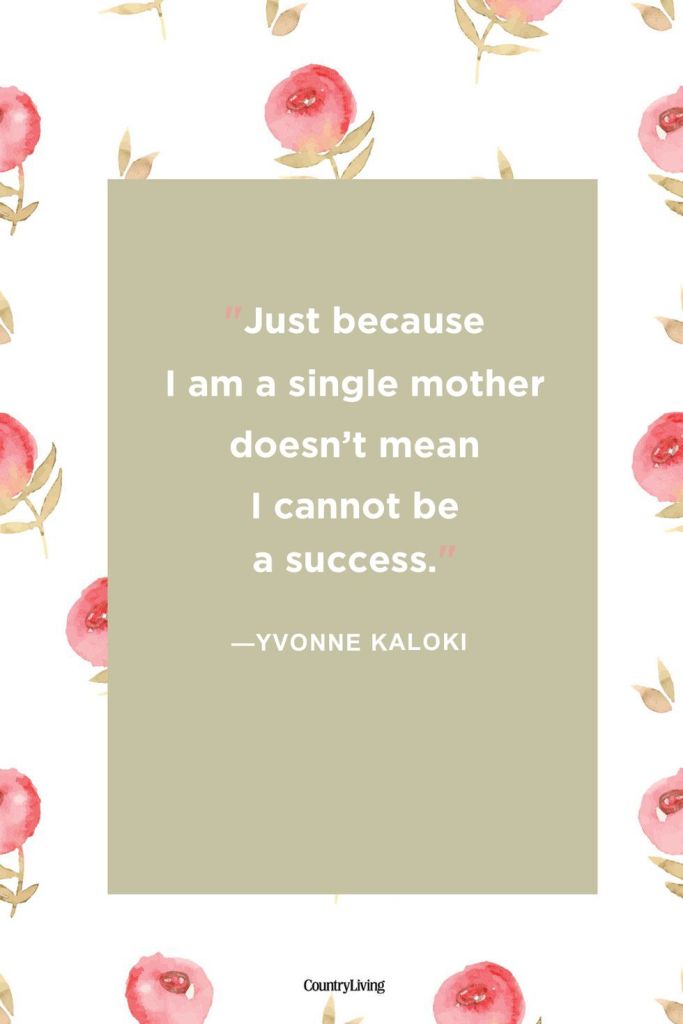
Success as a foster parent cannot be measured by outcomes or ability – success means continuing to say yes to those phone calls from the county. Success means showing up, day after day, and keeping the hope that good things are coming from my efforts to love babies and their families. Success means embracing the chaos of ESH placements and focusing on love, not order.

For me, success as an ESH mom means waking up each day secure in the knowledge that love will win in the end. It may not look pretty or be easy or seem possible right now, but it is not my job to ensure all those things. My role is to continue to say yes, to continue to love, and to not give up on hope. Everything else is not up to me.